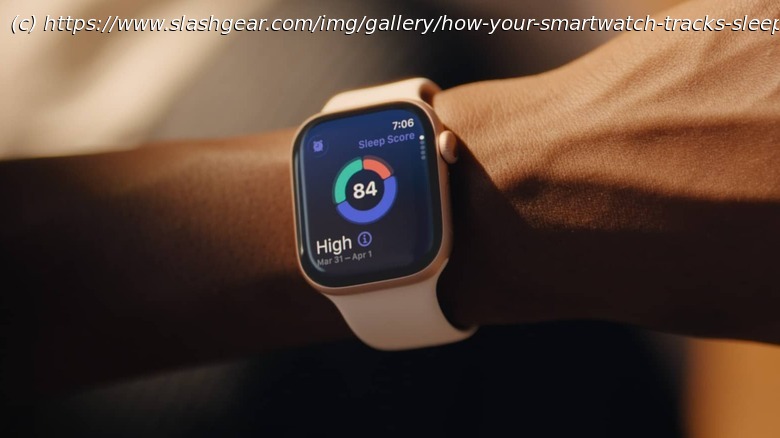
How accurate is your smartwatch? Learn how Apple and Samsung smartwatches use motion and HR to track sleep, and why you should take the data with a grain of salt
A good night’s sleep is a fundamental part of a healthy and productive lifestyle, so it’s no surprise that many of the most popular smartwatch makers have added sleep tracking to their wrist-mounted wearables over the years. In fact, market research from CCS Insight has shown that health tracking is the primary motivator for most first-time smartwatch buyers. Among owners, nearly half use their watches to track sleep, which helps explain why brands like Apple, Garmin, Google, and Samsung continually offer new sleep-tracking improvements with each product generation.
Although one basic technology is ubiquitous among watches with sleep-tracking capabilities, not all smart watches use the same sleep-tracking technology. Different companies often take different approaches, and budget devices typically have fewer sensors on average than high-end watches. For that reason, we’ll be discussing the techniques used by the latest and most popular smart watches like the Apple Watch Series 11 and Samsung Galaxy Watch8.
So, how does your smart watch track your Zs, and can you actually rely on the data it collects? As we will address, though, most sleep tracking uses the same basic motion-sensing technology to provide a baseline level of monitoring, with additional sensors and measurements taken to enrich that data, depending on the user’s settings. But what your health management application actually does to process that data, be it Apple Health, Samsung Health, or Google Fitbit, can result in varying levels of accuracy, which may even vary from person to person.