Microsoft Flight Simulator has an important role to fulfill as a serious tool for the real-life aviation industry – but that doesn’t mean it can’t find time to dazzle gamers, too. The technology that makes Microsoft Flight Simulator tick is something truly special. A mash up of Microsoft’s map data from its Bing search engine, …
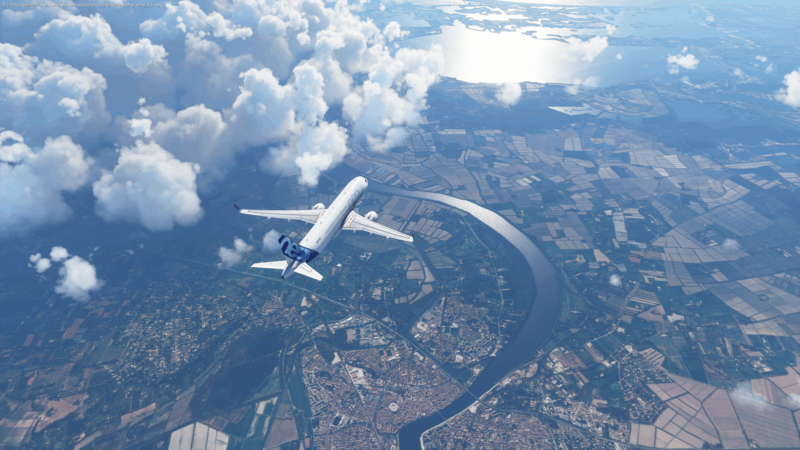
Microsoft Flight Simulator has an important role to fulfill as a serious tool for the real-life aviation industry – but that doesn’t mean it can’t find time to dazzle gamers, too. The technology that makes Microsoft Flight Simulator tick is something truly special. A mash up of Microsoft’s map data from its Bing search engine, artificial intelligence and cloud computing, the result is simple: this game’s ‘map’ is the whole world. That makes sense for a piece of software that is more than just a video game. This is a tool that’ll likely become a new industry standard used to rack up flight hours in the process of learning real-life flying. Previous flight sims also offered the ability to explore the whole globe – but for the first time, this is a largely recognizable version of the world, all thanks to impressive new technology. We all remember Microsoft’s crowing about the power of the cloud at the start of the current console generation, but it ultimately didn’t come to much. Crackdown 3, the big Xbox showcase of the technology, fell flat in public compared to mind-blowing private demos. Flight Simulator, however, is the other side of the coin: the real, tangible product enormously boosted by the fabled power of the cloud. While there are bugs and mistakes created by the AI that fills in the details, its hyper-accurate version of the world is stunning. While air traffic control and a desire to fly comfortably will encourage you to take the altitude higher, you’ll almost always be tempted to dive low over cities and interesting topographical features in order to take in the detail. I flew over parts the UK counting off landmarks: there’s the white cliffs of Dover, the Houses of Parliament, and the O2, formerly the Millennium Dome. These are massive landmarks, but skimming over London revealed the recognizable digital facade of various buildings that I regularly visit, like the offices that are home to some video game publishers. Fly further north into the UK and I can find whatever I like: my home neighborhood, the nature reserve where I walk the dog, my local train station or mall. The same is true around the world, and you can thus do a great bit of digital tourism: flying over the Las Vegas strip then off into the sunset over the Grand Canyon, taking in the sprawl of Tokyo at night when the artificial light of buildings and street lamps radiate into the sky, or circling low over the Los Angeles Convention Center while feeling a pang of longing for the structured chaos of E3.