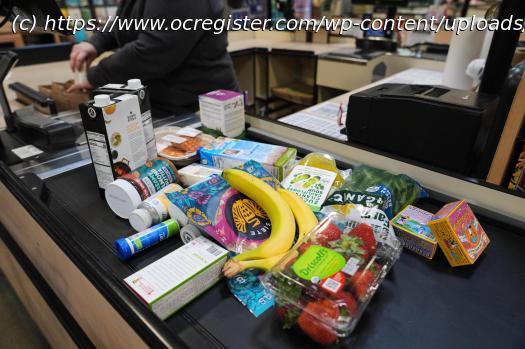
The U.S. Supreme Court is expected to say Tuesday whether the Trump administration must start complying with lower-court orders that require full payments in the SNAP food program.
It’s up to the U.S. Supreme Court and Congress to decide when full payments will resume under the SNAP food aid program that helps 1 in 8 Americans buy groceries, as some wonder how they will feed their families without government assistance.A SNAP EBT information sign is displayed outside of a convenience store in Baltimore, Monday, Nov. 10, 2025. (AP Photo/Stephanie Scarbrough)
The Supreme Court is expected to rule Tuesday on a request from President Donald Trump’s administration to keep blocking states from providing full Supplemental Nutrition Assistance Program benefits, arguing the money might be needed elsewhere.
The seesawing rulings mean that beneficiaries in some states, including Hawaii and New Jersey, have received their full monthly allocations while in others, such as Nebraska and West Virginia, they have received nothing.
The legal wrangling could be moot if the U.S. House adopts and Trump signs legislation to quickly end the federal government shutdown.
The cascading legal rulings — plus the varying responses of each state to the shutoff — means people who rely on SNAP are in vastly different situations. Some have all their benefits, some have none. In states including North Carolina and Texas, beneficiaries have received partial amounts.
In Pennsylvania, full November benefits went out to some people on Friday.