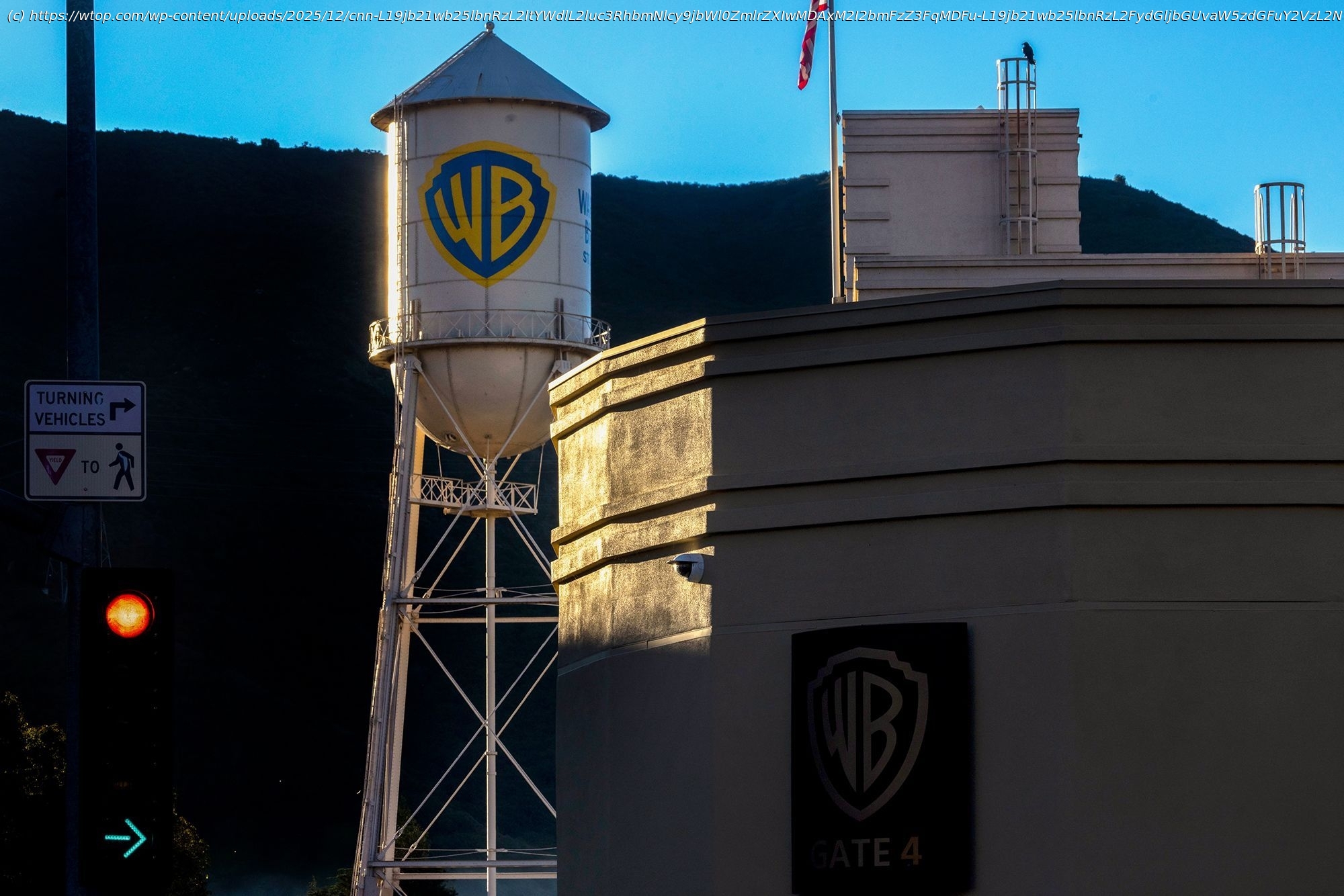
Netflix’s shocking $72 billion bid to buy Warner Bros. and HBO is the rare corporate mega-merger that can shift the tectonic plates of an entire industry.
Netflix’s shocking $72 billion bid to buy Warner Bros. and HBO is the rare corporate mega-merger that can shift the tectonic plates of an entire industry and permanently change the way all of its participants do business.
In other words: It’s the kind of deal that could force antitrust regulators to put away their rubber stamps and take out their magnifying glasses.
Hollywood is at a precarious moment, upset by rapidly changing consumer behavior fueled by significant growth of tech rivals, including YouTube, TikTok and, well, Netflix. That has created massive uncertainty for legacy movie and television businesses. Hollywood acknowledges that its industry is in crisis and needs to adapt — perhaps through consolidation.
Netflix believes a combination with Warner Bros. and HBO could create more opportunity in Hollywood, turning Warner’s robust intellectual property into shows and movies that Warner Bros. Discovery couldn’t have produced on its own. And it could widen HBO’s somewhat more niche audience, giving it broader appeal and more funds to produce high-end content.
But those potential benefits may not be enough to satisfy antitrust regulators, who will be scrutinizing the merger of two of world’s three largest streamers with this year’s best-performing movie and television studio. Governments around the world will be investigating whether the deal could reduce competition and possibly harm consumers.
That’s why Netflix will have to answer a crucial question: Why does it want to buy Warner Bros and HBO? That answer could determine both companies’ fates.
The deal would see Warner Bros. acquired by one of its biggest customers: In addition to its massive movie studio, Warner Bros. makes television shows for various networks and streamers — including Netflix.
Meanwhile, the deal would consolidate No. 1 streamer Netflix with No. 3 HBO Max (Amazon Prime Video holds the No. 2 spot), just as companies are raising subscriber prices in response to slower growth.
The new company’s market share would surpass the 30% benchmark that regulators set to determine whether to block a merger in the U.S. Department of Justice’s most recent antitrust guidelines, issued in 2023.
“It looks challengeable,” said Herbert Hovenkamp, an antitrust law professor at the University of Pennsylvania. “This is a fairly concentrated market where you get concerned about higher prices.”
Hovenkamp noted that the DOJ’s previous antitrust guidelines, written in 2010, likely wouldn’t have supported a legal challenge — so a case could test whether the Trump administration will adhere to Biden-era antitrust rules. The Justice Department did not respond to a request for comment.