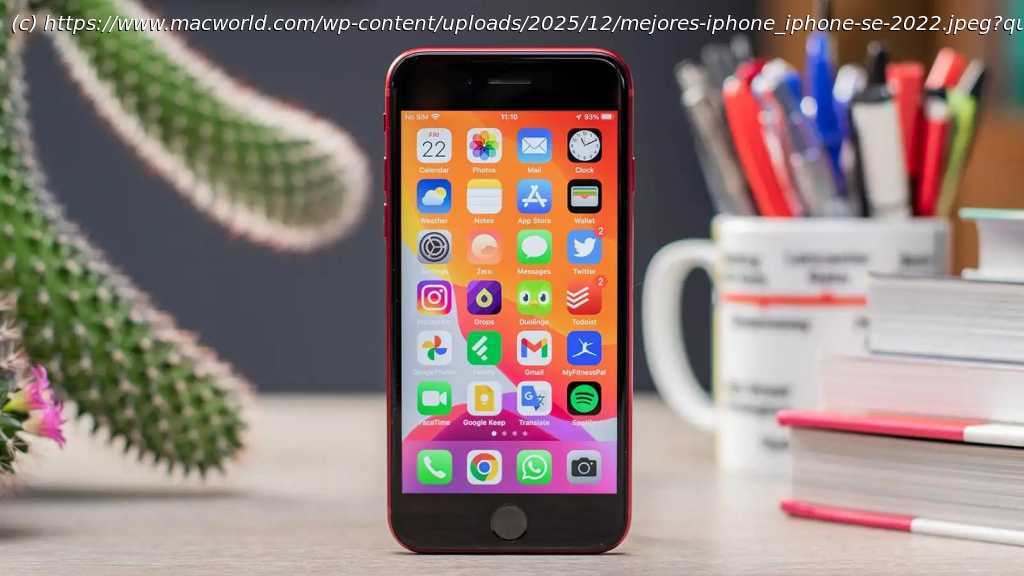
Apple’s biggest mistake was failing to properly replace the SE.
In “Wow, I feel old” news last week, Apple officially moved the original iPhone SE from the vintage to the obsolete list. That’s not just a nominal change; while vintage products can still access a limited range of repair services, obsolete ones are completely left out in the cold. At the ripe old age of nine (and the regulation seven years after it was dropped from sale), the SE has been declared an antique on borrowed time.
As I discussed in our news coverage, this is a tricky moment for those who still use the 2016 SE and likely won’t be able to for much longer; official replacement parts won’t be available anymore, and non-official ones can be a bit of a lottery. It might be time to consider an upgrade. And the good news is that, after nine years of even quite slow tech development, whatever you buy next is going to feel like a Rolls-Royce.
Still, the original SE was a good idea and a more-than-decent smartphone, and it remains a source of dissatisfaction for me that it led to only three things: one excellent successor, one bad successor, and a sense of bitter regret. Earlier this year, the third and apparently final SE was killed off in favor of the iPhone 16e, a misconceived product that isn’t exactly a disaster but certainly doesn’t do the things that made us love the 2016 and 2020 iterations of the SE.
The glory days of the SE coincided with two changes in smartphone design: on an industry-wide level, from small to large handsets and displays; and at Apple Park, from the Home button to the Home indicator. In both cases, the SE offered consumers a way to hang onto the past while saving money. The iPhone X came out a year after the first SE, and instantly signalled a brave new world of Apple handsets… but like most brave new worlds, not everyone liked it. And the SE–small, cheap, decently powerful, and blessed with the reassurance of a press-in-case-of-emergency button–suddenly had a role as the anti-future candidate. It was the iPhone X’s job to lead the way, but it was the SE’s job to gather up the stragglers.
Yet despite hitting paydirt with the peerless second model, Apple never quite seemed to understand the attraction of the SE. Otherwise how do you explain the fumbled third generation?
The winning formula contained three factors: fairly fast performance; a small and somewhat older and smaller chassis design; and a low price.