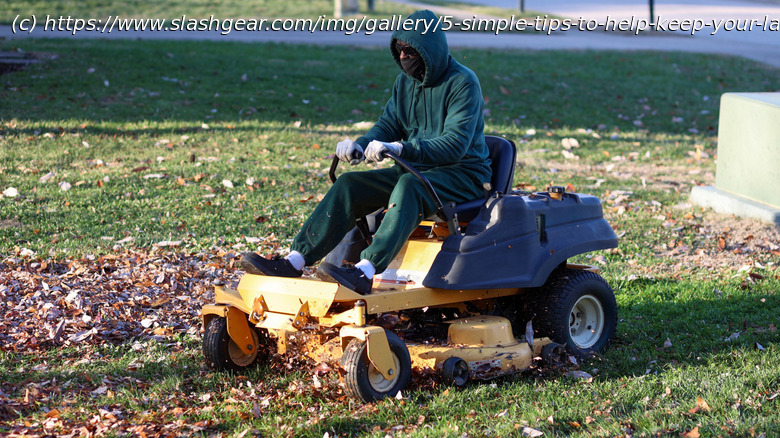
Mowing the lawn can be a real drag, and finding out your mower has a flat when you finally work up the energy to do the job can make it that much worse.
Picture this: You’ve been meaning to tend to your overgrown lawn for awhile, and you finally carve out time to tackle the grass before the weekend slips away. You head to the garden shed to fire up your trusty riding lawn mower, and the wobble of a flat tire greets you. If you’ve been in this situation, you know the frustration that comes with it — your plans are instantly derailed, and you probably have to spend the next hour surveying the environs and troubleshooting your tires to find the cause.
Now, lawn mower tech has evolved over the years, and the quality-of-life implications of never having to worry about a flat tire are significant, especially for push mowers. Despite advancements across the various genres of mowing, pneumatic tires are still a weak link in an otherwise well-oiled machine. That status quo is persistent for obvious reasons; they’re not as robust as car tires, and obstacles like jagged rocks and varying environmental conditions can punch a hole in a riding mower’s tire fabric.
So, how do you avoid the frustrating experience of discovering a flat tire? We’ve outlined some preventive measures below that will keep your lawnmower rolling smoothly. We’ve also covered tips on how to maintain your lawn mower. Use a tire sealant
Liquid tire sealants are particularly effective for maintaining your tire pressure. The process of applying a sealant is relatively straightforward — you inject a specialized sealant into the tire tube through the valve stem, and centrifugal force distributes the sealant evenly across the tire’s inner surface as it rotates. When a thorn, nail, or any other sharp object penetrates the tire, the released air pressure immediately forces the sealant into the puncture point.
The liquid solidifies once it comes into contact with air, creating a plug that covers the hole — and this process is almost instant. It’s an example of a textbook set-it-and-forget-it solution; the sealant can sometimes last for an entire season, depending on the type used.
These sealants are also handy for old tires starting to show their age. As rubber ages, it develops microscopic cracks and pores. Although most of these cracks aren’t visible to the naked eye at a cursory glance, air seeps out slowly through them. A single application of tire sealant can help stave off your chances of developing a flat with an old tire — and at a fraction of the price you’d pay to get a new one. It is important to note, however, that these sealants are only a temporary solution.