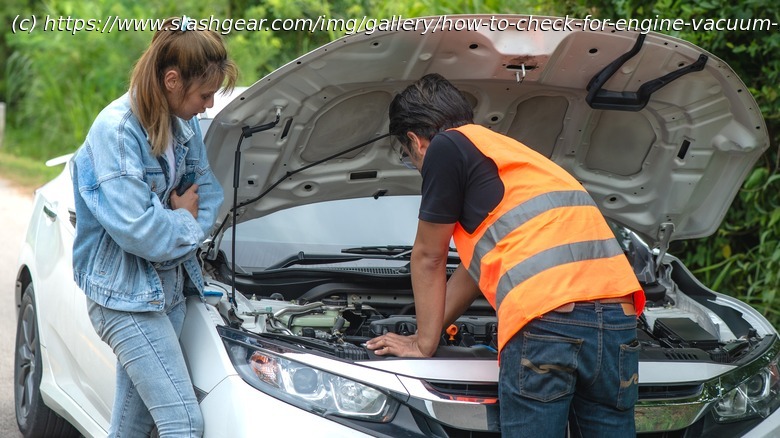
No smoke machine? No problem. Learn how to check for engine vacuum leaks using visual cues, soapy water, and DIY tricks to fix stalling and rough idling.
No matter the type of car you drive, whether a diesel truck, a hybrid SUV, or a turbocharged sedan, a vacuum system is really important. The vacuum created by the pistons‘ movement plays a much bigger role than most drivers assume; it controls most basic engine functions. Think of pulling the fuel-air mixture into the cylinders, regulating airflow, controlling engine sensors, and even assisting your brake system.
As such, if there is a vacuum leak, either caused by a crack or hole in the seals, hose, gaskets, or PCV valves, your engine will still run, but let’s say. poorly. In fact, while driving, you’ll probably experience unexpected stalling, rough idling, and poor performance. Even worse, a check engine light might glow on your dashboard.
Given that the symptoms of a vacuum leak overlap significantly with those of bad spark plugs or diesel fuel injector failure, you’ll want to make a proper diagnosis. After all, unlike oil and coolant leaks, which are easy to detect, vacuum leaks can be challenging to detect, which is why we recommend using one of the best vacuum leak testers. A model like the AutoLine Pro EVAP Smoke Machine Leak Tester, which retails for $86 on Amazon, offers excellent value for detecting leaks in systems such as hoses, lines, seals, EVAP systems, exhaust, and more.
Sure, when it comes to locating vacuum gaps, smoke testing is often considered the gold standard in repair shops.