Low-cost models are probably the best way of getting into smart speakers, but which is better — the Echo Dot, Nest Mini, or HomePod mini?
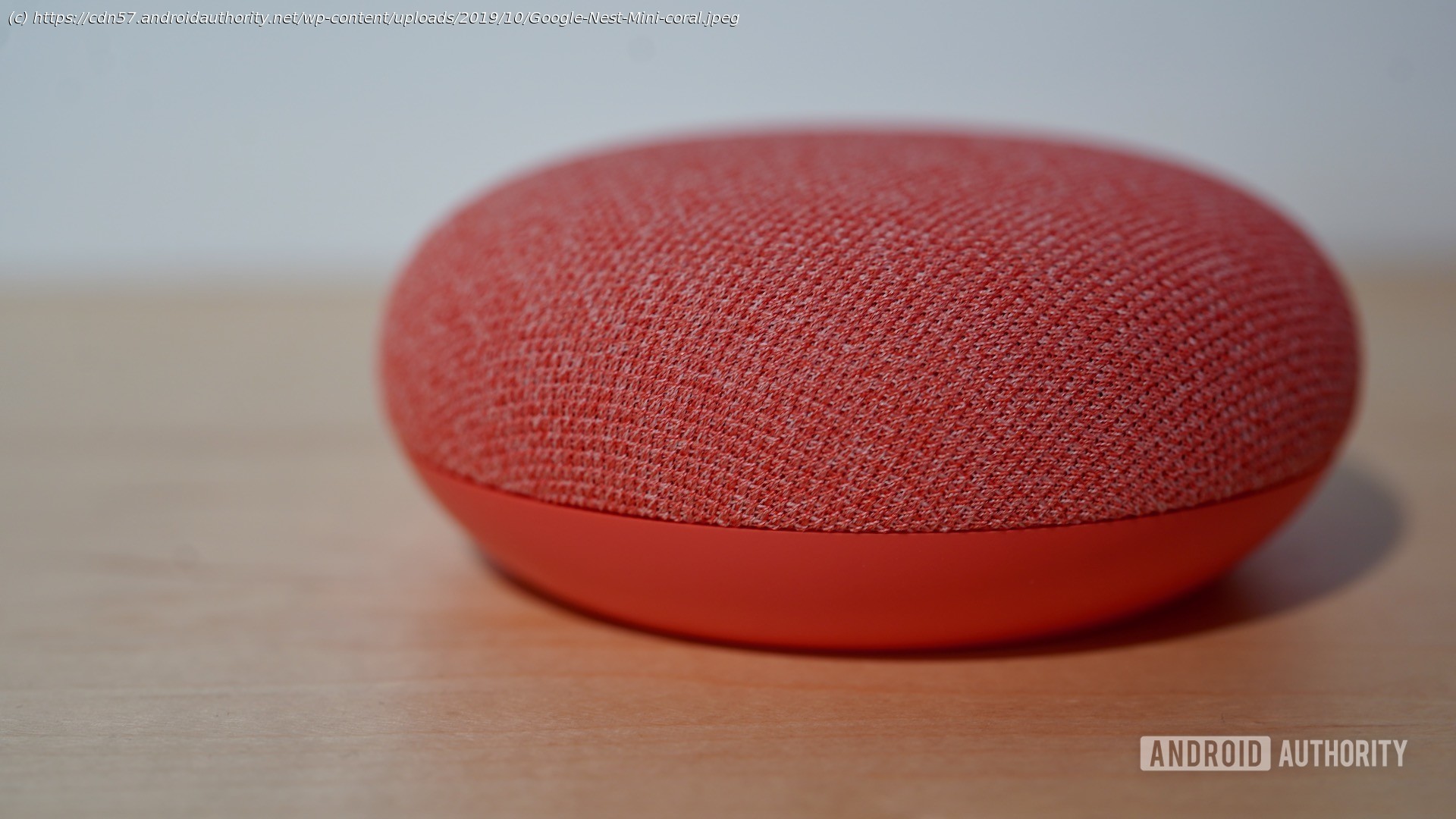
The best way to get into both smart speakers and smart homes is often via a budget speaker. Since you’re not putting hundreds of dollars on the line, there’s little sunk cost preventing you from switching platforms, and that one purchase may even be enough. So, which budget speaker is the best overall? Let’s find out in this Echo Dot vs Nest Mini vs HomePod Mini comparison. What is the HomePod Mini, and should you get it? We’re starting this discussion with the HomePod Mini because it’s very different from its rivals. It’s $50 more expensive and requires an iPhone or iPad, whereas Amazon and Google’s products will also work with most Android devices. There’s no way to set up a HomePod without buying into Apple’s mobile ecosystem. If you’ve got an Android phone, “HomePod mini vs Echo Dot vs Nest Mini” instead becomes a two-way battle. You are getting value for your money, though, mainly in the form of superior audio and deep integration with other Apple products. While Apple is vague on specifications, the HomePod Mini does sound better than Amazon and Google’s entry-level speakers, thanks in part to a clever 360-degree acoustic design and real-time tuning to match whatever room you’re in. Apple platform integration includes things like HomeKit accessories, Siri voice commands, AirPlay 2 casting, and the ability to set one or two Minis as default speakers for an Apple TV 4K. If you have an iPhone with a U1 ultra-wideband chip, you can bring it near the top of your HomePod and switch music sources on the fly. Apple doesn’t offer much in the way of alternative music and radio options if you don’t want Apple Music as your default service — you’ll need AirPlay to listen to Spotify, for example. It’s worth noting, though, that the HomePod Mini is one of the first smart speakers to support Thread. This cross-platform mesh networking technology should (eventually) make it easier for smart home devices to stay connected while consuming less power. Neither the Echo Dot nor the Nest Mini support Thread yet. The Nest Mini is, in some ways, the opposite of a HomePod. It’s cheap and compact and more focused on utility than sound. Google says the latest model has twice the bass of its predecessor and “360-degree sound.” However, it’s still not going to wow anyone — if oomph (or fidelity) matters, you’re better off taking advantage of the Nest’s Bluetooth 5.0 support to pair with a more powerful speaker. What we mean by utility is that it’s really a foothold for Google Home and Google Assistant. The latter is the best voice assistant on any smart speaker, mainly because it taps into the vast knowledge of Google Search. Google Home, meanwhile, offers a substantially greater number of compatible smart home accessories than Apple’s HomeKit, including, of course, Google’s other speakers and displays. You can also connect a more diverse range of music and radio services than Apple allows, including Spotify and Google’s own. If you want YouTube Music or Google Podcasts, Nest speakers are the way to go. The fourth-generation Echo Dot looks a lot like the full-sized Echo with its spherical design, but make no mistake, it’s closer to the Nest Mini in output quality than either the Echo or HomePod Mini. However, its sound is slightly louder and richer than the Nest, so if you’re trying to get the most bang for your buck, the Dot has the advantage. There’s also a 3.5mm jack, something absent even from the $99 HomePod. The Dot’s greatest strengths are Alexa integration and, depending on how you feel about it, Amazon Sidewalk. Alexa matters because it’s the most widely-supported smart home platform, meaning there’s a lot of accessories to choose from. Its Android and iOS apps are also the easiest to use, and while Amazon and Google aren’t playing nicely with each other, the Dot still supports a wide range of services. Sidewalk can potentially provide Thread-like network expansion and reliability, but it’s unique to Amazon, and a “small” portion of your Wi-Fi bandwidth is shared with neighbors for the same purposes. You can disable the feature if it bothers you. None of the three speakers have a fatal flaw, so for the most part, it comes down to preferences in platforms and services. For example, a Nest Mini may not sound fantastic, but it’s still alright, and the benefits of Google Assistant combined with Google Home can be tempting. If you rely on Google for music and podcasts or already have other Google/Nest devices, it’s an obvious choice. That said, based solely on its own merits, the safest option is the Echo Dot. It has a solid price-to-performance ratio, and the value of Alexa’s accessory compatibility and the well-designed app is hard to ignore. The HomePod Mini may win in terms of pure audio quality but costs more and locks you into the Apple ecosystem. If Apple added Android and Spotify support, the speaker might win more converts. More: The best Apple HomePod deals