Array
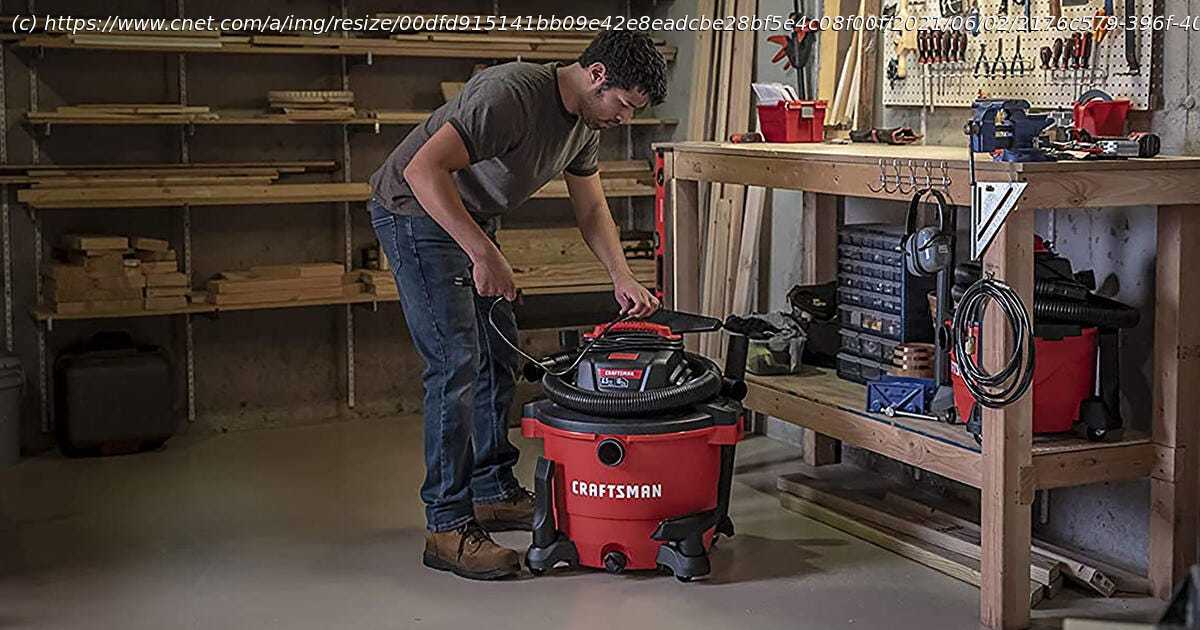
Your garage can get pretty messy over time. It can be due to sawdust from your woodworking projects, or dirt from your car’s tires, clutter and debris. All of this isn’t exactly conducive to a productive workspace. A regular vacuum cleaner isn’t designed for these kinds of messes, making a shop vacuum an absolute necessity. They’re built to handle larger debris, and many are suited for cleaning up liquids as well. Shop vacs are also great for cleaning out the interior of your car, and making sure it’s free of dust and crumbs.
And there is no lack of shop vacs out there. No matter which features you’re looking for — from a drain port to a floor nozzle to casters to a detachable blower — chances are there’s something out there for you. With so many choices, it can be tough to figure out the right model for your needs, but we can help.
We’ve compiled a list of some of the best shop vacs across a variety of categories, based on customer satisfaction and expert recommendations, so whatever kind of shop vac you need, you’ll be able to find something that works for you. After the list, read on for more information about how shop vacs work and how to pick the one that best suits your needs.
Shop vacuums are similar to regular home vacuum cleaners, but they’re much more powerful — they have more powerful motors and greater suction capabilities, allowing them to pick up larger pieces of debris. This is why shop vacs are ideal for picking up small pieces of wood or metal (which a regular vacuum would leave behind) or sawdust (which would clog a regular vacuum). Additionally, if a shop vacuum is specifically designated as a wet/dry vacuum, then it can pick up water and other spilled liquids. You can even clean carpet with a shop vac, if you do it the right way.
Choosing the right shop vac for you requires you to evaluate your needs and make decisions across different categories. For instance, shop vacs come with different tank sizes, typically ranging from 2 to 18 gallons in home models. The size you need will depend on your application — if you’re mostly using it to clean your car, a small tank will do, but if you have a dirty garage you want to clean, then a larger tank will mean you spend less time emptying it.
„Determine the capacity you need,“ says Phillip Ash, founder of Pro Paint Corner. Pro Paint Corner is an informational resource for all aspects of paint work, cleaning included. „The average homeowner can still get by with the typical 6-gallon size, but if you are an avid and intense DIYer or are using it for commercial purposes, you might want a large, 16-gallon option.“
Shop vacs also differ in terms of the power they offer, which is measured in several different ways. Airflow is measured in cubic feet per minute and suction is measured in inches of water lift, which is literally the height that the suction could lift water through a tube. Though some shop vacs tout a peak horsepower measurement, this ultimately has little effect on performance.
Finally, there are battery-operated shop vacs that are easier to maneuver than corded shop vacs. They’re especially handy if your garage isn’t wired for electricity, or when using a smaller-tanked vacuum to clean a car. While corded shop vacs can typically provide more suction for longer periods, there are large and powerful cordless models, as well — just make sure your batteries are charged when using them. There are even models that can run in corded or cordless capacities, depending on which you need at a given time.
„In my experience, corded shop vacs normally have more powerful suction than battery-operated ones,“ says Ed Spicer, home expert and CEO of Pest Strategies. Pest Strategies is an online resource for information regarding infestation and pest extermination products. „In battery-operated shop vacs, the suction power comes from the battery, and batteries deplete over time, so the suction will begin to wane.“
In a lot of ways, using a shop vacuum is like using a regular vacuum cleaner: You point the nozzle at the mess, you flip the switch and it does the work. However, there are differences unique to shop vacs, and it’s important to know them before getting started.
Like most regular vacuums, shop vacuums operate using filters. These filters are critical, as they catch the debris you vacuum up and prevent it from clogging the shop vac, taxing the motor or being released via the vacuum’s exhaust ports.
„You need to use a filter with a shop vac, because otherwise all the debris will blow right back into the room with you,“ says Spicer. „Depending on the particle level of what you are vacuuming you may need to get a fine or medium filter. Another thing to note, if you have a wet/dry vac, then you need to remove the filter before vacuuming liquids, as the liquids can damage the filter.“
Additionally, if you use a bag in your shop vac while vacuuming dry waste, that must also be taken out before vacuuming up liquids. It’s recommended that you clean your vacuum’s filter at least every three months and that you change the filter altogether at least once a year.
Finally, there’s a specific way to empty shop vacs. If you’re vacuuming dry material and using a bag inside the tank, all you need to do is take out the bag and toss it all away. If you’re not using a bag, it will be harder to empty dry debris — you’ll have to dump the contents into a trash can and probably clean the inside of your tank afterward. If you’re emptying water or other liquid, you won’t be using a bag. If your tank has a drain port you can empty it that way; otherwise, you’ll need to tip it over to pour the liquid out.
Written for Roadshow by Scott Fried.