Trump announced the move in the Oval Office, saying that „this is gonna lead to the construction of a lot of plants“ to build cars domestically.
President Trump announced a 25% tariff on foreign-made cars Wednesday — saying it would boost domestic manufacturing.
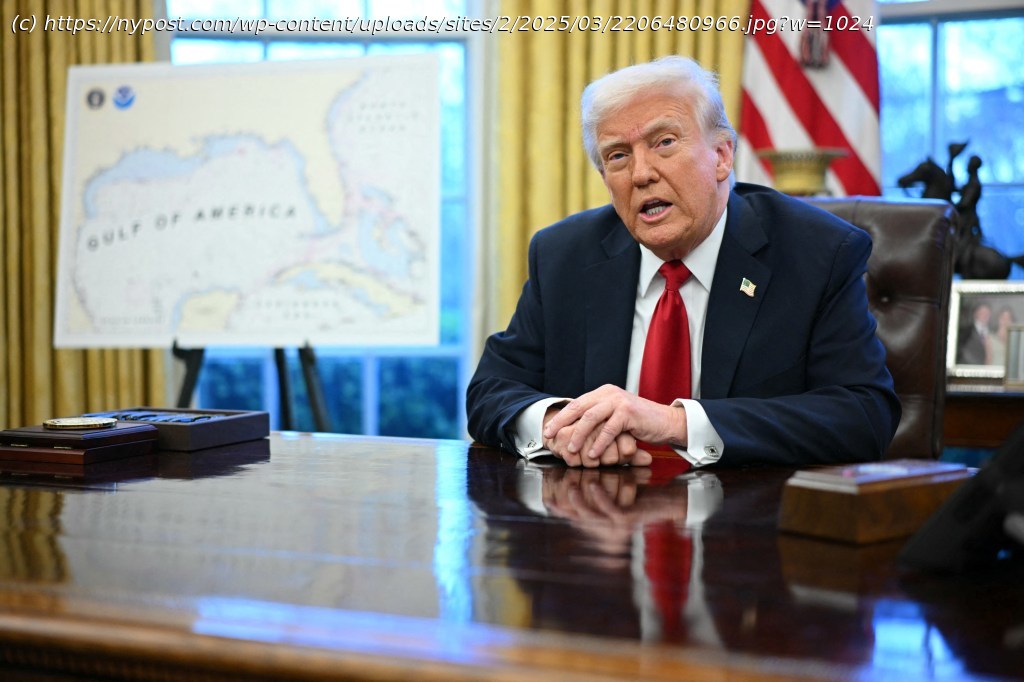
Trump, 78, announced the move in the Oval Office, saying that “this is gonna lead to the construction of a lot of plants” to build cars domestically.
“We’ll effectively be charging a 25% tariff, but if you build your car in the United States, there is no tariff,” he said.
White House staff secretary Will Scharf announced that the action was projected to raise $100 billion in revenue — though analysis has suggested it may also sharply reduce import volume.
A US International Trade Commission report last year found that “[a] new 25% tariff on U.S. imports from outside of North America would reduce vehicle imports by 73.9%, increase average prices of vehicles in the United States by 5.0%, and increase variable profits from domestic production by 5.2%”
Trump did not indicate any carve-outs for Canadian and Mexican vehicle imports, meaning that the impact may be even greater than the trade commission report projected.
The president said that car companies with manufacturing plants in the US already are “thrilled” about the new duty, which he said would take effect on April 2, remain in effect for at leas tthe remainder of his term, and be layered on top of existing tariffs.
“Oh, this is permanent, yeah, 100%,” Trump confirmed.
“I think ultimately we could probably have anywhere from $600 billion to $1 trillion [that] will be taken in over a relatively short term period, meaning a year from now, but starting right away, starting right away, I think we’ll go from 600 to a trillion within two years,” he said.
“This is a very simple system, and the beauty of the 25 — it’s one number … And that number is going to be used to reduce debt greatly in the United States and to build things and reduce taxes. Basically, I view it as reducing taxes and also reducing debt.”
Trump earlier this month slapped 25% tariffs on imports from China, Canada and Mexico over fentanyl smuggling and illegal immigration, but he temporarily exempted most imports from America’s neighbors.
Last month, he imposed a stiffer 25% tariff on steel and aluminum, without exceptions for major importers that previously were in effect.
Trump plans to unveil a raft of “reciprocal” tariffs on April 2 to penalize imports from nations with higher levies on US imports and those with high non-tariff barriers to trade — though he said Wednesday he would be more “lenient” than expected.
He also has teased plans to tariff lumber, pharmaceuticals, computer chips and copper.
Although critics have argued that the tariff policies can increase consumer costs, unleashing a new round of inflation after prices soared 22% during former President Joe Biden’s administration, Trump has pointed to low inflation during his first term, when he adopted some tariffs and used the threat of others to coerce reforms abroad.
Trump also said Wednesday that he may reduce tariffs on China if they agree to divest from social media platform Tiktok.
“Maybe I’ll give them a little reduction in tariffs or something to get it done,” he mused out loud to reporters. “Sounds like something I’d do.”