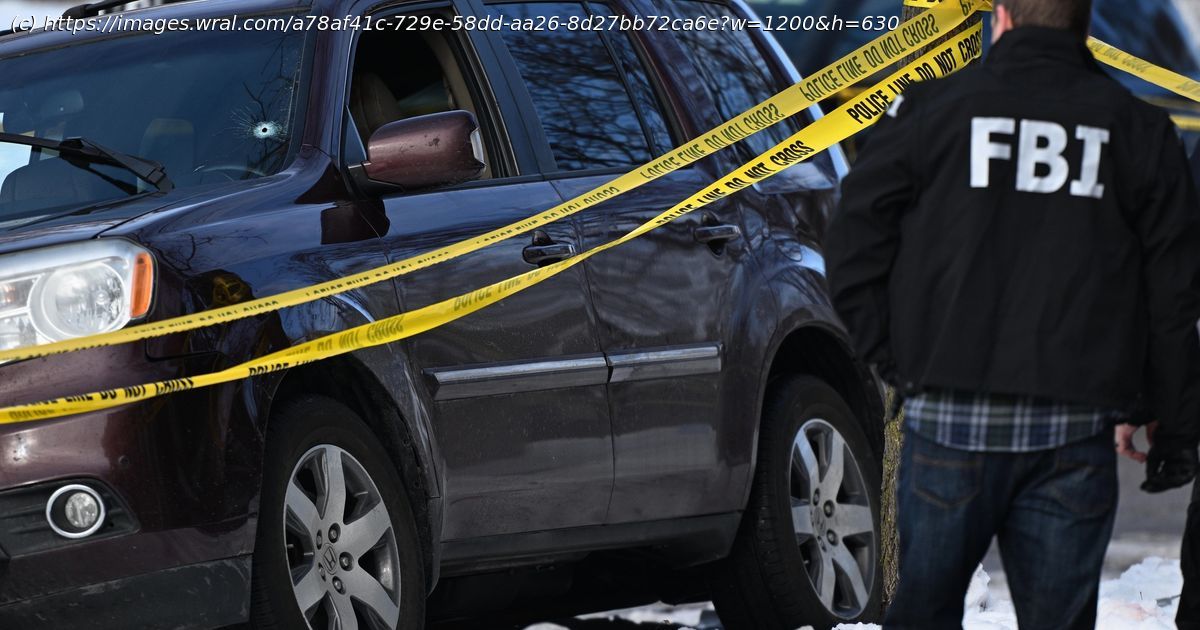
The fatal shooting Wednesday of a woman by an immigration and customs enforcement agent in Minneapolis is raising questions about when law enforcement officers are justified in using lethal force against someone in a moving vehicle. Many police departments for decades have had policies in place p.
The fatal shooting of a woman by a federal immigration officer in Minneapolis on Wednesday has thrust a long-running and deeply contested question back into the national spotlight: When is a law enforcement officer justified in using lethal force against someone in a moving vehicle?
The killing, captured on cellphone video, has exposed sharp divisions between federal authorities and local officials. It has also renewed scrutiny of use-of-force rules that many police departments adopted decades ago to reduce the risk of bystanders being shot or drivers losing control after being hit by gunfire. While federal officials quickly defended the agent’s actions, local leaders called the shooting unjustified.
Other WRAL Top Stories
At the center of the debate are policies that for years have sharply limited when officers may fire at vehicles, generally barring gunfire at fleeing cars unless the driver poses an imminent threat of deadly force beyond the vehicle itself. Those restrictions, embraced by many large police departments and reflected in federal guidance, were intended to curb what experts long warned was one of the most dangerous and unpredictable uses of lethal force.
Homeland Security Secretary Kristi Noem described the episode as an “act of domestic terrorism” and said the agent acted in self defense and to protect fellow officers.
Here’s a look at how and why police agencies moved to restrict shootings at moving vehicles, what those policies typically require, how they are enforced, and how recent incidents, including the Minneapolis case, have tested the limits of rules meant to balance officer safety with public risk.
For decades, police departments across the U.S. have limited when officers are allowed to fire at moving vehicles, citing the danger to bystanders and the risk that a driver who is shot will lose control.
The New York City Police Department was among the first major agencies to adopt those limits. The department barred officers from firing at or from moving vehicles after a 1972 shooting killed a 10-year-old passenger in a stolen car and sparked protests.
Researchers in the late 1970s and early 1980s later found that the policy, along with other use-of-force restrictions, helped reduce bystanders being struck by police gunfire and led to fewer deaths in police shootings.