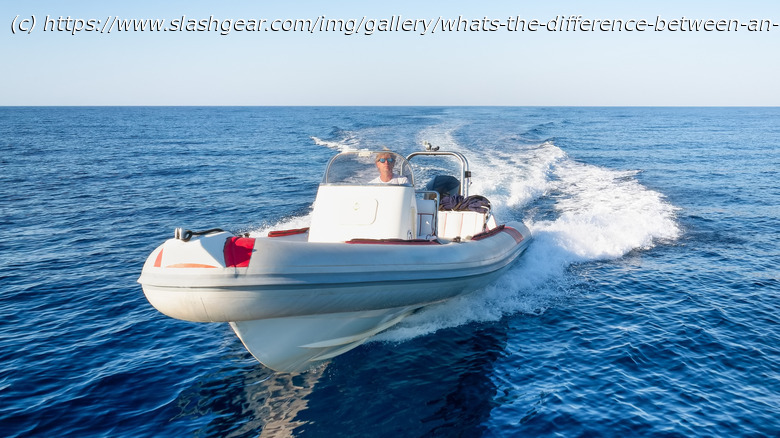
Boat engines have either open or closed loop cooling systems. How do these two differ, and is one better than the other? Here’s everything you need to know.
An open-loop cooling system, also called raw water cooling, draws water directly from the body of water the boat is floating in, whether it’s saltwater or freshwater. That water is pulled through a seacock, filtered through a sea strainer to remove debris, and pumped through the engine’s internal water jacket. As the water circulates, it absorbs heat from components such as the engine block, heads, and manifolds. The water is then pushed through the exhaust and expelled back into the sea.
It’s simple and works well in freshwater environments or on boats that aren’t intended for long-term use. But it comes with trade-offs. Saltwater contains minerals that crystallize and form scale inside the cooling passages when the engine operates above 140 degrees Fahrenheit. Over time, these deposits restrict water flow, causing overheating. Additionally, because saltwater flows directly through the engine block, open-loop cooling accelerates corrosion. Once internal passageways become clogged or corroded beyond repair, you’re looking at a full engine replacement.
Maintenance involves regularly cleaning the strainer and inspecting the hoses, clamps, and impeller to see if they need to be cleaned or replaced.