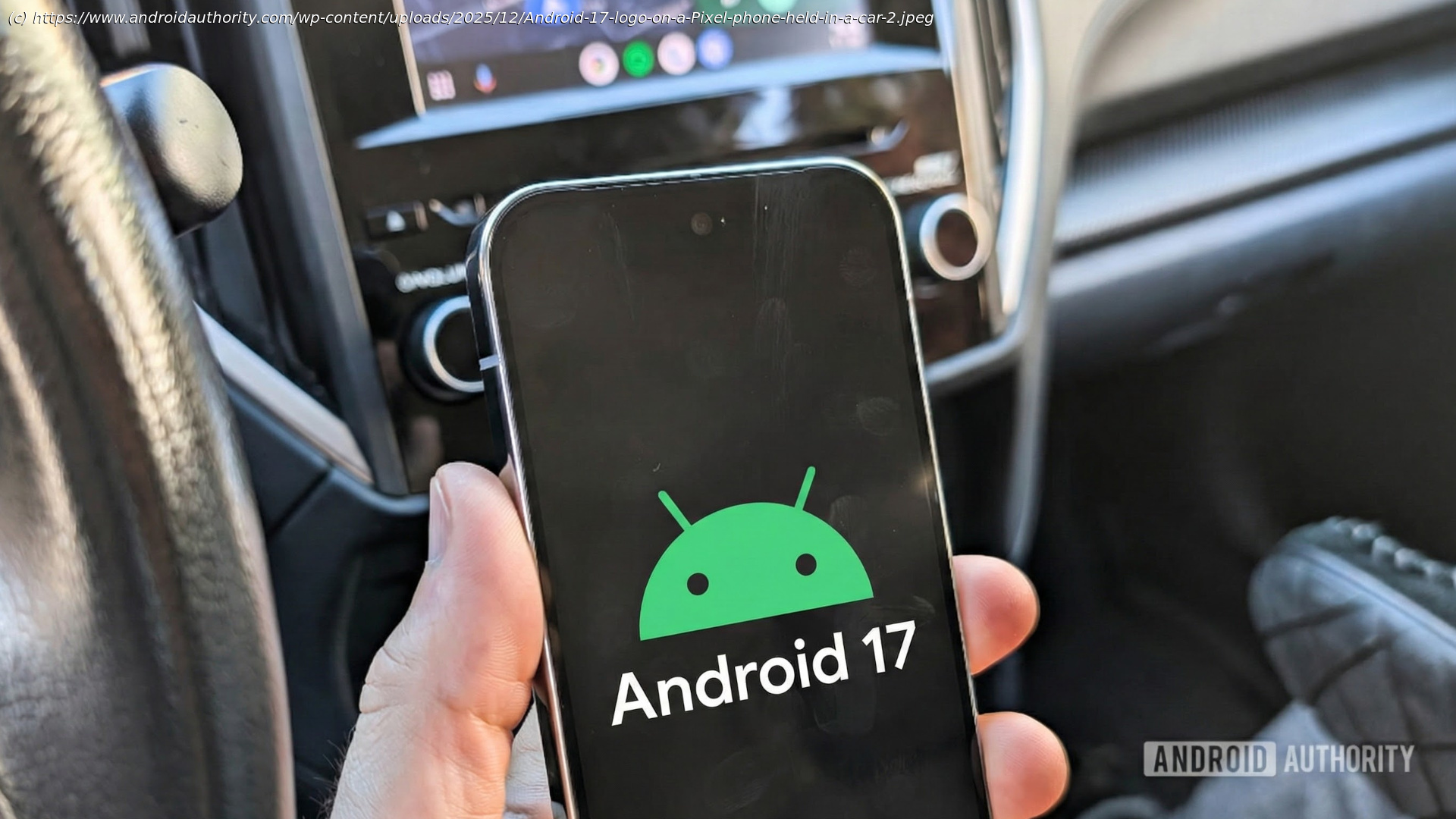
Android 17 may introduce a new feature called Motion Assist that could help reduce motion sickness in moving vehicles.
Many people avoid using their Android phones in moving vehicles due to motion sickness, a condition that can induce nausea, headaches, and dizziness. Motion sickness is believed to be caused by a sensory conflict; your eyes focus on a stationary object (the phone) while your inner ears signal that you are moving. Since people spend so much time as passengers, it’s a bummer that many can’t use their phones without feeling sick. Fortunately, Google is working on a new feature for Android 17 aimed at reducing this discomfort.
You’re reading the Authority Insights Newsletter, a weekly newsletter that reveals some new facet of Android that hasn’t been reported on anywhere else. If you’re looking for the latest scoops, the hottest leaks, and breaking news on Google’s Android operating system and other mobile tech topics, then we’ve got you covered.
Subscribe here to get this post delivered to your email inbox every Saturday.
Called Motion Cues, the feature mitigates this sensory mismatch by adding visual elements that mimic the vehicle’s movement. It places dots on the screen that shift in real-time based on data from your phone’s motion sensors. This simple yet incredibly useful trick effectively “moves” the screen with you, potentially solving motion sickness for many users.
If this feature sounds familiar, it’s because Google isn’t the pioneer here. While Apple’s Vehicle Motion Cues in iOS 18 might be better known, a free Android app implemented this idea back in 2018. Available for any phone running Android 7.0 or later, KineStop simply requires you to download it, grant the “display over other apps” permission, and tap start.
Why, then, must Google’s version wait for next year’s Android 17 update? It is a question we’ve grappled with since discovering evidence of Motion Cues in late 2024.