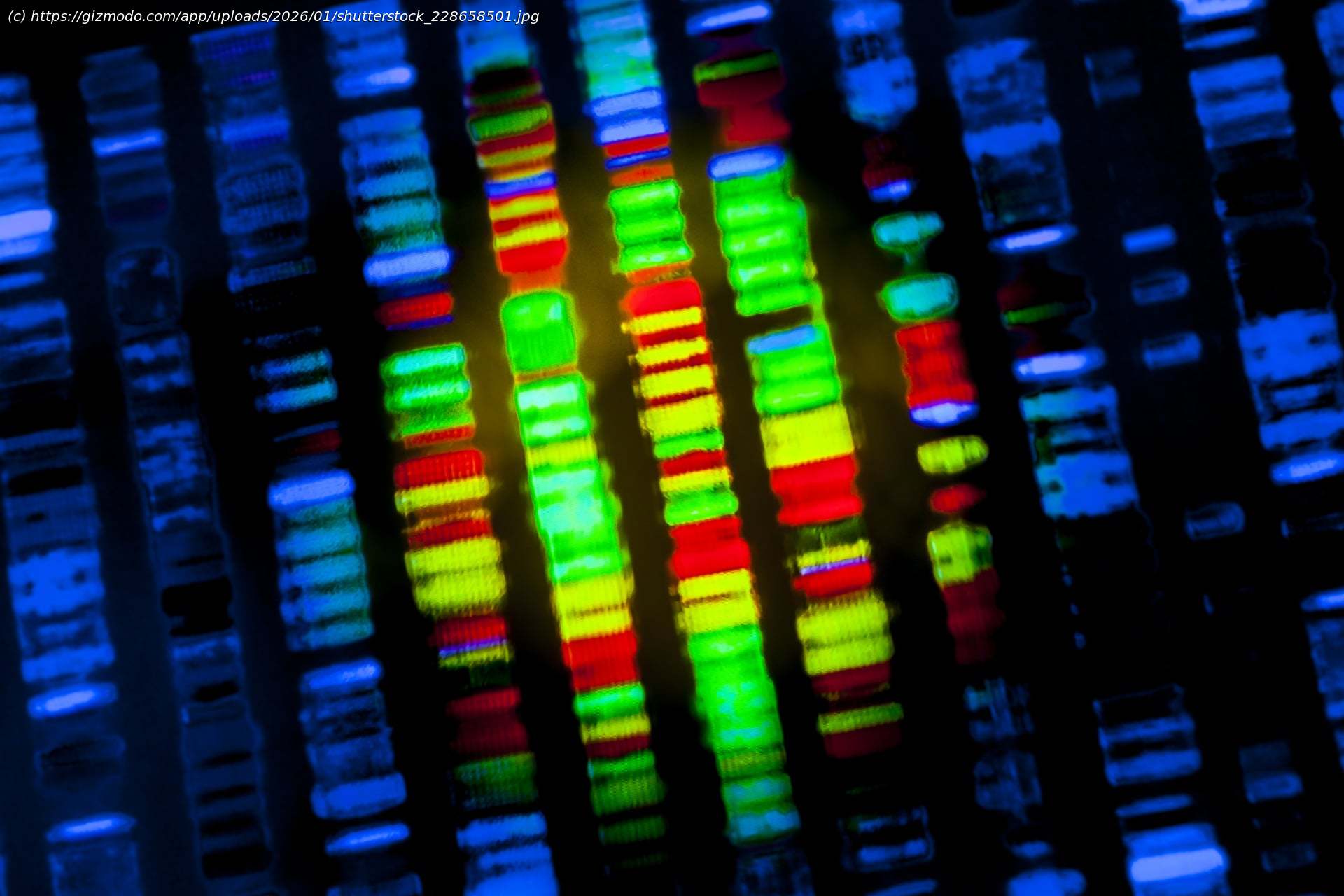
AlphaGenome is reportedly the most comprehensive and accurate DNA sequence model developed to date.
Artificial intelligence has gotten a bad reputation lately, and often for good reason. But a team of scientists at Google’s DeepMind now claims to have found a revolutionary use case for AI: helping humanity unravel the “dark matter” of our genome more effectively than ever before.
In a study published today in Nature, DeepMind researchers debuted their deep learning model, dubbed AlphaGenome. Compared to existing models, AlphaGenome can predict the function of much longer sequences of DNA while still maintaining a similar level of accuracy, the researchers claim. The team is hopeful its model can become a valuable tool to analyze how subtle variations in human DNA can affect our health and biology, particularly in the vast majority of the genome that works silently in the background.A guide to our genetic dark matter
Our DNA contains the instructions for building and regulating every biological aspect of ourselves. But only a tiny portion of our genes, 2% or so, actually carry the code for the tens to hundreds of thousands of proteins that perform the functions a body needs to survive, such as insulin or collagen. The other 98% of our DNA is made of non-coding regions, more eloquently known as the dark matter of our genome. Scientists once assumed our genetic dark matter was comprised of worthless junk DNA, but we now know that it contains sequences vital to regulating our protein-making genes.