For those having a difficult time choosing between Roku and Google TV, an explanation of the pros and cons of each platform can be worthwhile.
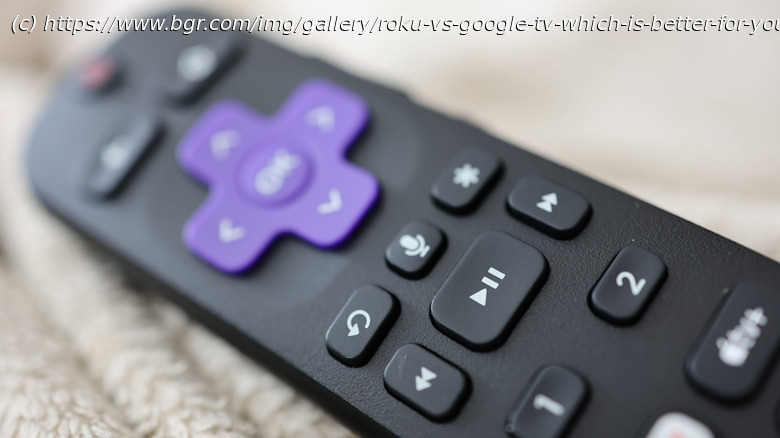
Deciding between Roku and Google TV used to be simple — you picked whichever platform felt easier to use. But, both platforms have evolved far beyond basic streaming menus, and the rivalry is only intensifying as Roku steps deeper into the hardware game with its own QLED and Mini-LED TVs. On the surface, Roku and Google TV may look similar, but the differences in layout, content discovery, and long-term usability can shape your day-to-day viewing experience in surprising ways.
Google TV has rapidly expanded across major brands like Sony, Hisense, and TCL, giving shoppers more options than ever. From its recommendation engine, Google Assistant integration, and personalized profiles, it feels increasingly like the « smartest » interface in the room. Roku, meanwhile, remains a fan favorite for its straightforward design, fast navigation, and extensive library of free, ad-supported content. Despite a few stumbles, including high-profile security incidents, Roku’s simplicity and familiar interface still resonate with millions of households.
If you’re weighing Roku vs. Google TV, remember that the software is only half the equation. Picture quality, panel type, brightness, and even Wi-Fi performance can dramatically influence your streaming experience, so it’s worth comparing the best features of Google TV and the best Roku TVs (and Roku devices) before committing to one ecosystem.
And if neither platform feels quite right, you still have options. Amazon’s Fire TV devices continue to improve, and Apple TV 4K remains the premium pick for anyone deep in Apple’s ecosystem. No matter what you’re looking for, understanding the strengths of each platform will help you find a setup that actually fits the way you watch.