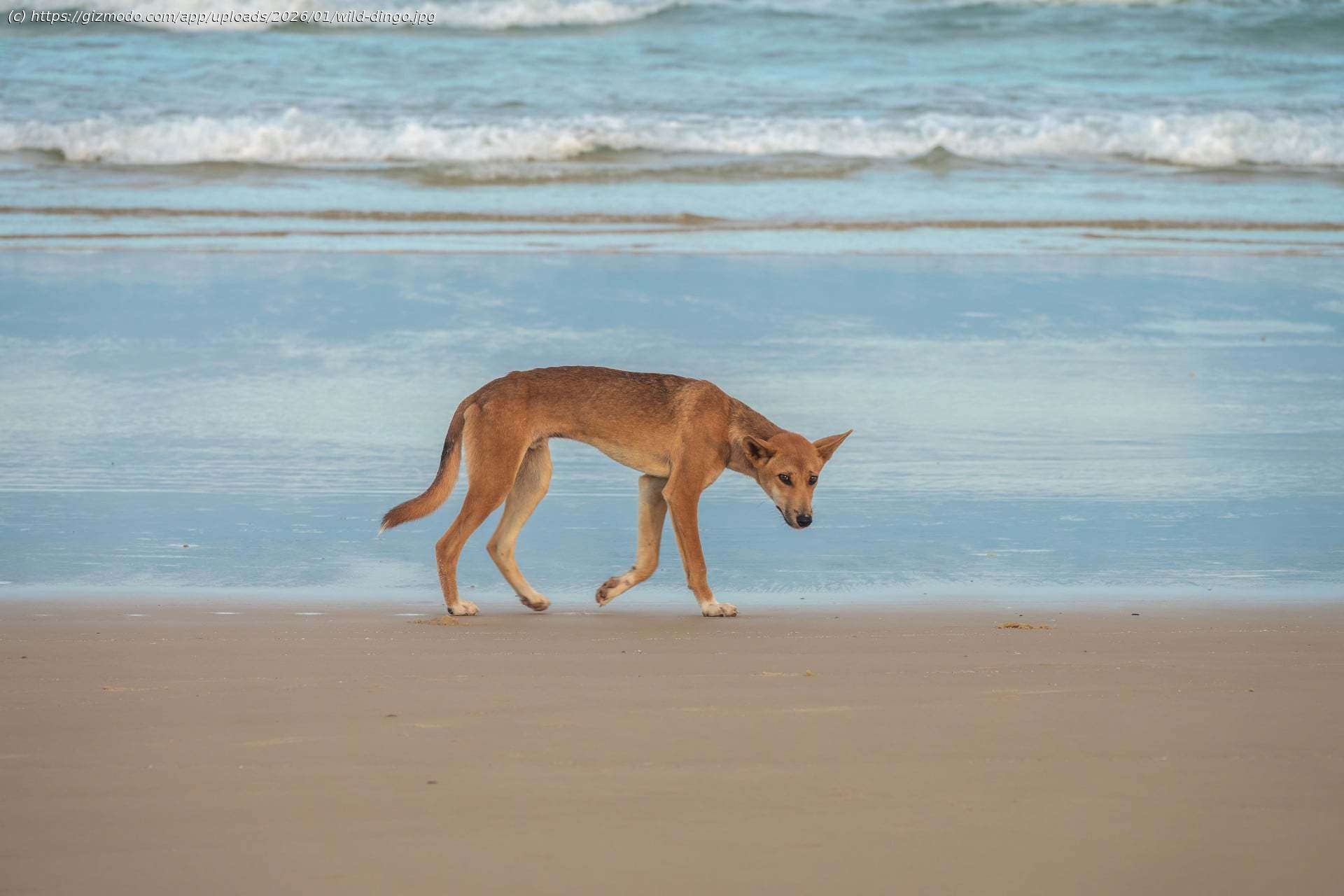
Will killing dingoes on Australia’s K’gari Island make visitors safer? These experts say it’s unlikely.
After the tragic death of Canadian backpacker Piper James on K’gari (Fraser Island) on January 19, a coroner found the 19-year-old had been bitten by dingoes while she was still alive, but the most likely cause of death was drowning.
Days later, the Queensland government announced it would cull the entire pack of ten dingoes seen near where Piper’s body was found. Most of those animals have now been killed.
Authorities justified the targeted cull on “public safety” grounds while also signaling a strong desire to keep tourism moving. Queensland Tourism Minister Andrew Powell reassured tourism operators “the island is open” and urged people to continue to visit.
The cull took place without the knowledge or approval of the Butchulla people, the Traditional Owners of K’Gari. James’ parents also publicly opposed a cull, saying it was “the last thing” their nature-loving daughter would have wanted. There has been backlash from scientific experts, as well as the public.
So, does killing dingoes actually make K’gari safer for people?The perfect storm
K’gari’s dingoes (called Wongari by the Butchulla) are a population of high conservation and cultural value on this World Heritage–listed sand island. Estimates put their numbers at between 70 and 200.
Huge visitor numbers (about 450,000 per year) to the roughly 1,600 square kilometer island mean dingoes and humans share the same beaches and come into contact in ways they generally don’t on the mainland. Most encounters are harmless, even enjoyable. Less than 1% of visitors experience a negative interaction, and many tourists visit the island specifically to see the dingoes.
Of course, risk increases when dingoes and people are in close proximity. Dingoes are often deliberately or carelessly rewarded with food scraps or find rubbish, which encourages loitering.
Most injuries caused by dingoes are minor, such as nips, bites, and scratches. Serious attacks by dingoes are rare on K’gari and the mainland.