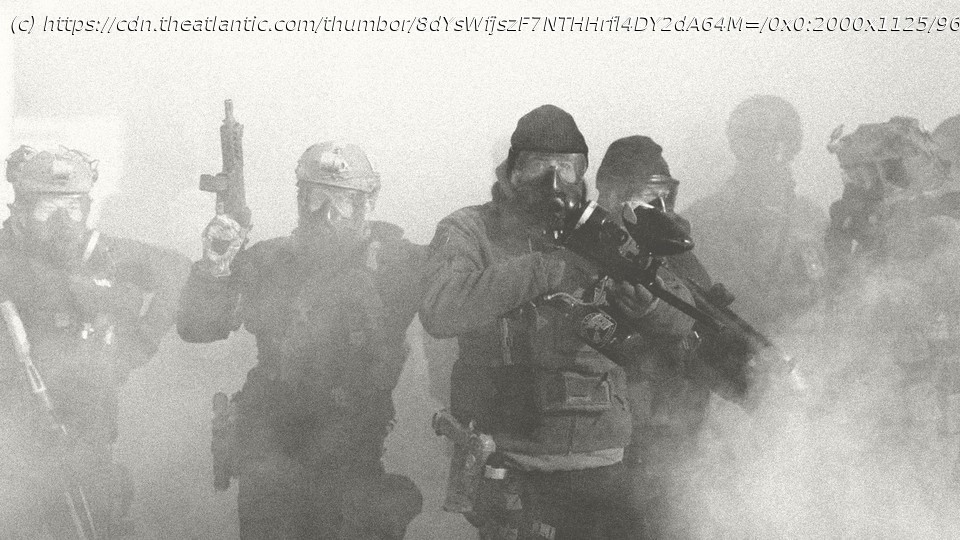
Accountability, transparency, and trust must be centerpieces of “New ICE.”
“Abolish ICE” is the cause of the moment, but that end point seems unlikely; many of the functions that Immigration and Customs Enforcement undertakes must be done, and are part of any normal presidential administration.
The best-case scenario is not abolition but reform—true, fundamental reform—to turn ICE into a law-enforcement agency that respects the Constitution and laws of America. That sort of extensive reform is not easy, and developing a post-Trump vision for immigration enforcement must start now, so that the country has something to move toward if it eventually leaves Trump’s approach behind.
Meaningful reform would address four distinct areas: personnel, operations, accountability, and organizational culture. It would do so across the agency that actually is ICE and the others that are colloquially referred to as ICE today because of their ongoing participation in the enforcement surge, such as Homeland Security Investigations and the Border Patrol. Fundamentally, the reforms would seek to restore accountability, transparency, and trust, enabling “New ICE” to transform itself into an agency of which the American people can be proud.
All of this starts with personnel—who is recruited and how they are trained. To satisfy President Trump’s demand for overly aggressive enforcement, ICE has lowered its standards for recruitment and shortened the training period, bringing in a flood of new recruits. The results are inevitable: lower-quality enforcement agents and more mistakes.
New ICE would restore the minimum recruitment age back to 21, which had been lowered to 18 in August. Recruitment priorities will need to focus on applicants with relevant experience, not just those with aligned political views. Additional educational requirements should be considered. In the end, if “personnel is policy,” as Ronald Reagan’s director of personnel, Scott Faulkner, is reputed to have said, then whom you hire defines what you do.
Once you have the new hires, they need to be well trained. Before the Trump administration’s expansion of ICE, most trainees received four to six months of training. To a large degree, ICE’s lengthy training period arose because of a language module for Spanish instruction. But even leaving that module aside (it has been cut completely), training today is shorter than it had been—approximately eight weeks, which some say is really 47 days as an homage to Trump. There can be no doubt that today’s new ICE recruits are less physically fit, that agents are receiving roughly half the training that their predecessors received, and that educational standards have been lowered.
The training is not only shorter; it is also substantively worse—teaching future agents aggressive tactics that must be left behind. Reports suggest that ICE agents may be receiving training that standardizes some of the new operational changes, such as entry into homes with only administrative warrants, that are so controversial.
A reformed New ICE would need much better—and more—training.