The iPhone 12 is the new default iPhone to buy for most people now. But with a price tag that’s $100 more than its predecessor, is it worth $799 that Apple’s charging? Read this review to find out.
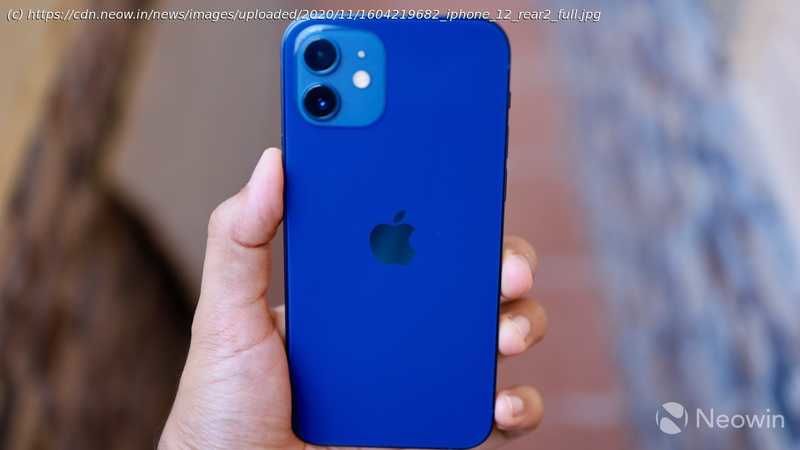
It has been well over a decade since Apple launched the first iPhone but every time a new iPhone is launched, it sets the standard for other Android flagships to beat. This time around, Apple has launched four new iPhone models across its iPhone 12 and iPhone 12 Pro lineup, and it’s the iPhone 12 that’s expected to be the most popular of the lot. The iPhone 12 is the one that receives the biggest upgrade from its predecessors with a new design, better display, improved cameras, and more. How good does that make the iPhone 12 then? Is it better than other Android flagships out there? Or has Apple missed the mark somehow this year? Read my review to find out. $799 The iPhone 12’s design is a throwback to the iPhone 4s from 2011. It has a squarish chassis with flat glass panels at the front and rear. The squarish design means the iPhone 12 can stand upright on its top and bottom corners. The chassis is the only part of the iPhone 12 that has received a major redesign. Otherwise, the front and rear design of the device is similar to the iPhone 11, with Apple only offering new color shades to distinguish the iPhone 12 from its predecessor. This also means that the dreaded notch is still there at the top of the display, though this does not bother me much as it tends to blend into the peripheral vision. The bezels surrounding the display have been reduced as well, which has allowed Apple to make the device more compact. The button placement on the iPhone 12 is on point as they are all within easy reach. The side key is located on the right while the volume rockers and mute switch are located on the left edge. They are all easily clickable even with a case on and there’s nothing to complain about them. The Lightning port is located at the bottom between the two speaker grilles. With almost every other device I own now using USB-C, I seriously wished Apple replaced Lightning with USB-C on its new iPhones as well. The entire iPhone 12 series uses a more durable Ceramic Shield glass for the display which Apple claims is up to 4x more durable. While I can’t put that claim to test, glass is still glass and so I will still recommend putting a screen protector on the display if you want to keep it free from scratches. The rear still uses strengthened glass from Corning. The most surprising part of the iPhone 12 is its weight. I have used an iPhone 11 and when I picked up the iPhone 12, I was surprised at just how light it felt. The in-hand feel, while premium, is nothing exceptional, and the device feels more like a toy with such a lightweight design. The iPhone 12 Pro with its stainless steel chassis feels much better in hand. I would also like to touch on the missing earphones and power adapter with the iPhone 12. While the lack of earphones does not bother me, the missing power adapter is definitely an issue. While I have plenty of USB-C power adapters, none of them can support the USD-PD 3.0 2.2A/9v profile which is required to fast charge the iPhone 12 series. The iPhone 12 comes with a 6.1-inch Super Retina XDR display. The display size is the same as the iPhone 11 and iPhone XR from the last two years, but Apple has switched to an OLED panel this time around. Apple tends to use the best displays on its devices and the iPhone 12’s display is no exception. The Super Retina XDR display on the iPhone 12 has its brightness levels, contrast, viewing angles, and color accuracy on point.