What constitutes a “national emergency”? It’s a question at the heart of the Supreme Court’s upcoming decision on tariffs and.What constitutes a “national emergency”? It’s a question at the heart of the Supreme Court’s upcoming decision on tariffs and the president’s authority to unilaterally impose them under the International Emergency Economic Powers Act of 1977. Now, anticipation surrounding the court’s opinion in Learning Resources, Inc. v. Trump has only…
What constitutes a “national emergency”? It’s a question at the heart of the Supreme Court’s upcoming decision on tariffs and the president’s authority to unilaterally impose them under the International Emergency Economic Powers Act of 1977. Now, anticipation surrounding the court’s opinion in Learning Resources, Inc. v. Trump has only grown following the events of the weekend.
In response to the Trump administration’s continued insistence that Denmark relinquish sovereignty over Greenland, several European countries, including France, Germany, the U.K., Norway, Sweden, and the Netherlands, sent troops to “establish a more permanent military presence with a larger Danish contribution.”
This maneuver by the Danish and their European allies drew the ire of President Donald Trump.
On Saturday, he announced new 15 percent tariffs on goods from Denmark, Norway, Sweden, France, Germany, the U.K., the Netherlands, and Finland, which would take effect on Feb. 1.
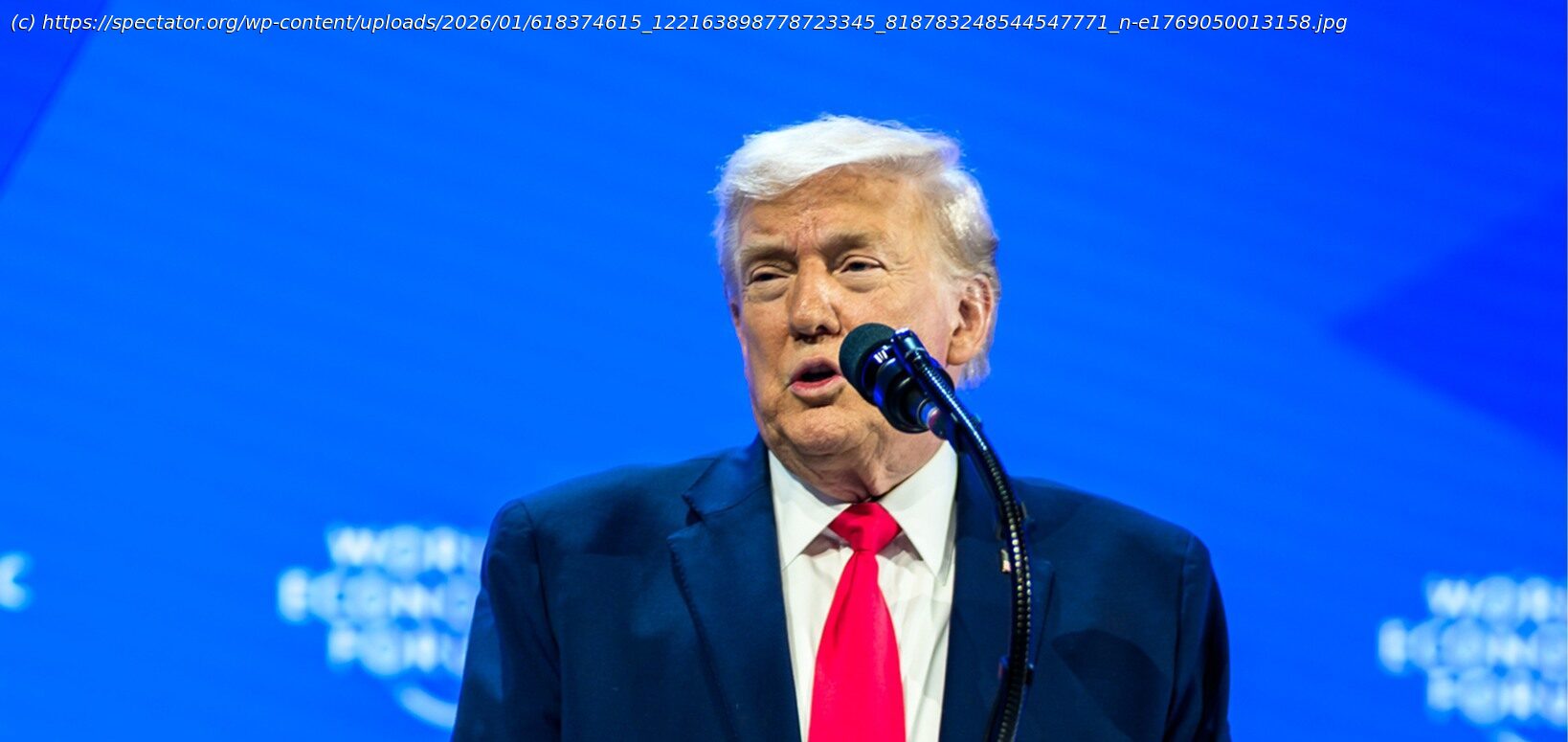
On Wednesday in Davos, the president struck a different tone following his speech at the World Economic Forum.
Following a “very productive meeting” with NATO Secretary-General Mark Rutte, President Trump declared on Truth Social that he would “not be imposing the Tariffs that were scheduled to go into effect on February 1st,” citing ongoing talks on the “Golden Dome as it pertains to Greenland.