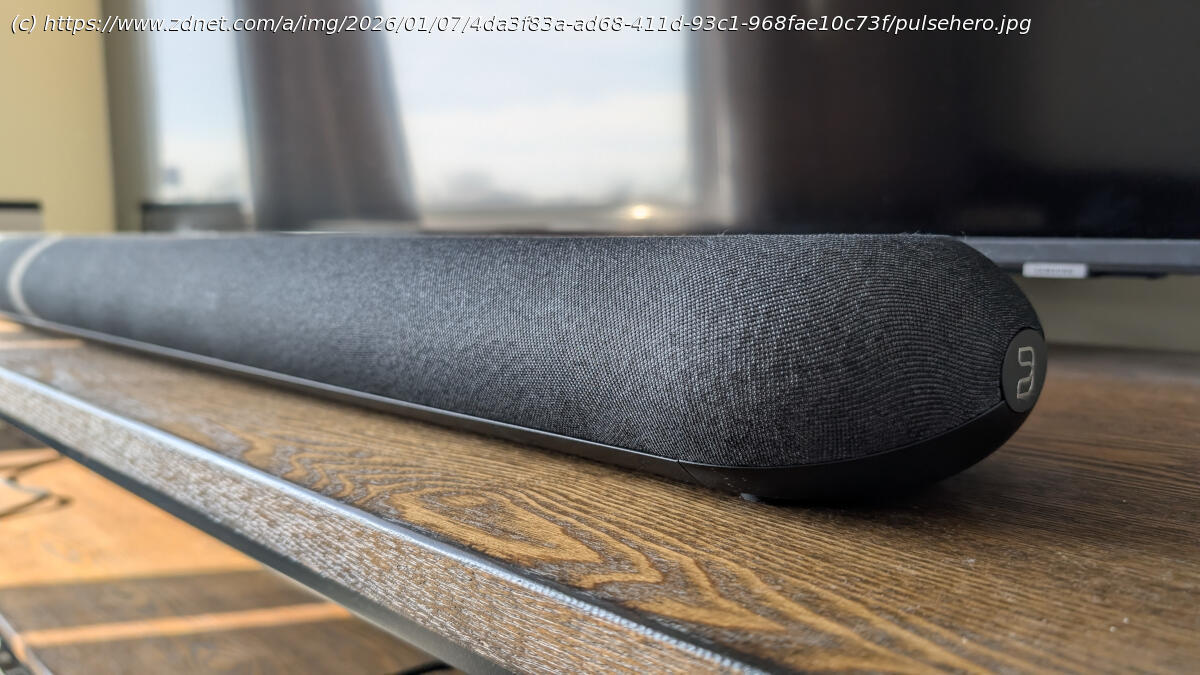
If you’re after big and bold sound, I might’ve found a speaker system that hits all the right notes.
Bluesound Pulse Cinema
The Bluesound Pulse Cinema soundbar is available from Amazon for just under $1,500
You’ll get rich, dynamic, and room-filling, while not missing a word of dialogue
The Pulse Cinema requires an app for control.
When it comes to watching TV or playing games, I prefer my sound to fill a room with rich, dynamic, and accurate sound. To date, my favorite soundbar has been the JBL Bar 1000, and no other has come even close to topping that device.
My bar has been set very high.
When I received the Bluesound Pulse Cinema, I was certain it would fall short of the JBL’s sound. After all, this soundbar didn’t include a subwoofer (although it does have a single RCA output for one), so how could it possibly compare to the bass produced by the Bar 1000?
Turns out, the Pulse Cinema delivers some surprises. Let me explain.Bluesound Pulse Cinema
If you’re looking for rich, dynamic, and big sound (without missing a syllable of dialogue), the Pulse Cinema should be at the top of your list.
Echo Spot Smart Speaker With Alexa (2024 Release, Black):
$50 (save $30)
Beats Pill Wireless Portable Bluetooth Speaker (Matte Black):
$100 (save $50)
Sonos Era 100 Wireless Alexa Enabled Smart Speaker (Black):
$169 (save $30)
Bang & Olufsen Beosound Explore Portable Bluetooth Speaker (Black):
$199 (save $100)My experience
I connected the Pulse Cinema to my TV via HDMI eARC, which was significantly nicer than connecting via Bluetooth (with less delay and more codec support). HDMI also meant connectivity was easier and instantaneous. I would always prefer a wired connection for my soundbars over Bluetooth.
You get plenty of options for connectivity.
In other words, connecting the Pluse Cinema soundbar was simple.
Then came the app.
This app could use a major redesign to make it easier to understand and use.
I don’t know about you, but I am so over everything requiring an app. I get it: It’s probably cheaper for manufacturers to rely on consumers for installing apps and using their phones as remotes (instead of having to build and ship a physical remote with the device).