Analysts: North Korea not bluffing on ICBM launch

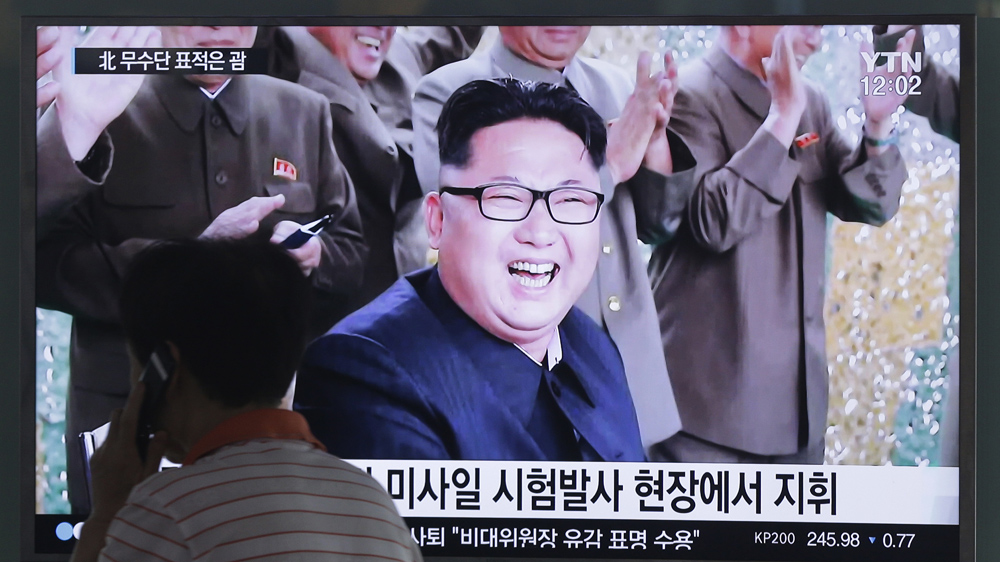 North Korea worked through 2016 on developing components for an intercontinental ballistic missile (ICBM), making the isolated nation’s claim that it is close to a test-launch plausible, weapons experts say.
Once fully developed, a North Korean ICBM could threaten the continental United States about 9,000km away.
Pyongyang’s state media regularly threatens the US with a nuclear strike, but before 2016 the North had been assumed to be a long way from being capable of doing so.
„The bottom line is Pyongyang is much further along in their missile development than most people realise,“ said Melissa Hanham, a senior research associate at the US-based Middlebury Institute of International Studies at Monterey, California.
Kim Jong-un says close to testing long-range missile
North Korea has been testing rocket engines and heat-shields for an ICBM while developing the technology to guide a missile after re-entry into the atmosphere following a lift-off, the experts said on Monday.
While Pyongyang is close to a test, it is likely to take some years to perfect the weapon.
Hanham said the North’s test in April of a large liquid-fuel engine that could propel an ICBM was a major development.
„The liquid engine test was astounding,“ Hanham said. „For years we knew that North Korea had a Soviet R-27 missile engine design. They re-engineered the design of that engine to double its propulsion. “
North Korea has said it is capable of mounting a nuclear warhead on a ballistic missile, but its claims to be able to miniaturise a nuclear device have never been independently verified.
The isolated nation has achieved this progress despite UN Security Council imposed sanctions for its nuclear tests and long-range rocket launches dating back to 2006. The sanctions ban arms trade and money flows that can fund the country’s arms programme.
North Korea has enough uranium for six bombs a year and much of what it needs for its nuclear and missile programmes relies on Soviet-era design and technology. Labour is virtually free.
It can produce much of its missile parts domestically and invested heavily in its missile development infrastructure last year, funded by small arms sales and by taxing wealthy traders in its unofficial market economy.
Throughout the year, North Korean state media showed images of numerous missile component tests, some of which revealed close-up details of engines and heat shields designed to protect a rocket upon re-entry into the earth’s atmosphere.
The propaganda offensive may have revealed some military secrets, but it may have also been a bid to silence outside analysts, many of whom had remained sceptical of the North’s missile programme.
„They’re answering the public criticisms of US experts,“ said Joshua Pollack, editor of the US-based Nonproliferation Review. „A lot of people had questioned whether they had a working ICBM-class heat shield. So they showed us. “
Despite the research, Pyongyang has experienced considerable difficulties getting its intermediate-range Musudan missile, designed to fly about 3,000km, off the ground. It succeeded just once in eight attempted launches last year.
North Korea has fired long-range rockets in the past, but has characterised those launches as peaceful and designed to put an object into space.
Still, the South Korean defense ministry believes the three-stage Kwangmyongsong rocket used by Pyongyang to put a satellite in space last February already has a potential range of 12,000km if it were re-engineered.
Doing so would require mastering safer „cold-launch“ technology, and perfecting the ability of a rocket to re-enter the Earth’s atmosphere without breaking up.
„North Korea is working hard to develop cold-launch technology and atmospheric re-entry, but South Korea and the US will have to assess further exactly which level of development they have reached,“ South Korean defence ministry official Roh Jae-cheon told a briefing on Monday.
North Korea pledges ‚tough‘ response to UN sanctions
North Korea began stepping up its missile development in March 2016, Roh said, but added there were no „unusual signs“ related to test preparations, according to the South Korean military.
That same month, Kim Jong-un was photographed looking at a small, ball-like object that North Korean state news agency KCNA said was a miniaturised nuclear warhead – the device North Korea would need to fulfill its ICBM threat.
„2016 marked the year North Korea truly ramped up their WMD [Weapons of Mass Destruction] programme,“ Hanham said.
„I think we’re going to see a [ICBM] flight test in 2017. “
Source: Reuters news agency
© Source: http://www.aljazeera.com/news/2017/01/analysts-north-korea-bluffing-icbm-launch-170102184505108.html
All rights are reserved and belongs to a source media.

 China’s manufacturing sector expanded for a fifth month in December, but growth slowed a touch more than expected in a sign that government measures to rein in soaring asset prices are starting to have a knock-on effect on the broader economy.
 NEW YORK —
 BAGHDAD —
 TOKYO —
 OKAYAMA —
 TOKYO —
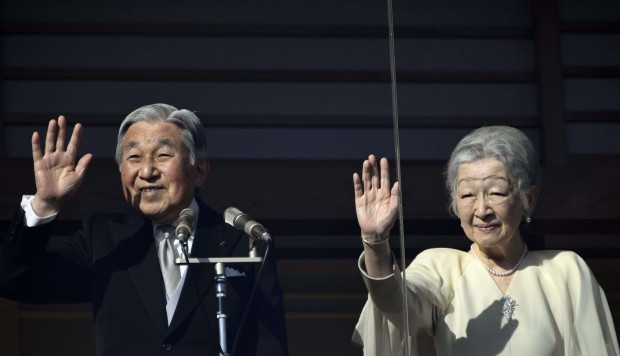 Japan’s Emperor Akihito delivered his traditional New Year address Monday with tens of thousands of people flocking to the Imperial Palace for what could be his last such appearance after he expressed his desire to abdicate. It was his first New Year message since he that his advancing age and weakening health mean he may no longer be able to carry out his duties, setting the stage for Japan to prepare for an historic abdication. The Imperial Palace said some 58,600 people attended his address in fine weather, many waving small Japanese flags and shouting “Banzai” or “Long live”. “At the start of this year, I wish for happiness and tranquillity of people in the world and our country,” the emperor said in a televised address from a glass-covered balcony at the palace, where he was flanked by other members of the royal family. Deliberations over his retirement wish are under way in an advisory panel set up by Prime Minister Shinzo Abe in September to study a possible legal mechanism for a royal departure, which currently does not exist. Any eventual move by Akihito to step down, which would see him replaced by his eldest son , appears to have wide support, according to recent opinion polls. Akihito has had surgery for prostate cancer and heart problems, both of which he alluded to in his August announcement, though he stressed that he currently enjoys good health. Speculation about Akihito’s future emerged last year with reports he had told confidantes that he would like to step down in a few years, in what would be the first abdication from the Chrysanthemum Throne in two centuries. Akihito has keenly embraced the role of symbol of the state imposed after the second world war ended. Previous emperors including his father, Hirohito, had been treated as semi-divine. Akihito is credited with seeking reconciliation both at home and abroad over the legacy of the war fought in his father’s name, venturing to a number of locales that saw intense fighting, including Okinawa in Japan and Saipan, Palau and the Philippines overseas, offering prayers for the souls of all the dead.
 ISTANBUL —
 稲田朋美防衛相は29日、東京・九段北の靖国神社を8月の就任後初めて参拝した。防衛担当閣僚の参拝が確認されたのは2002年8月15日の中谷元・防衛庁長官以来。同神社には東京裁判のA級戦犯が合祀(ごうし)されており、中韓両政府は参拝を批判した。