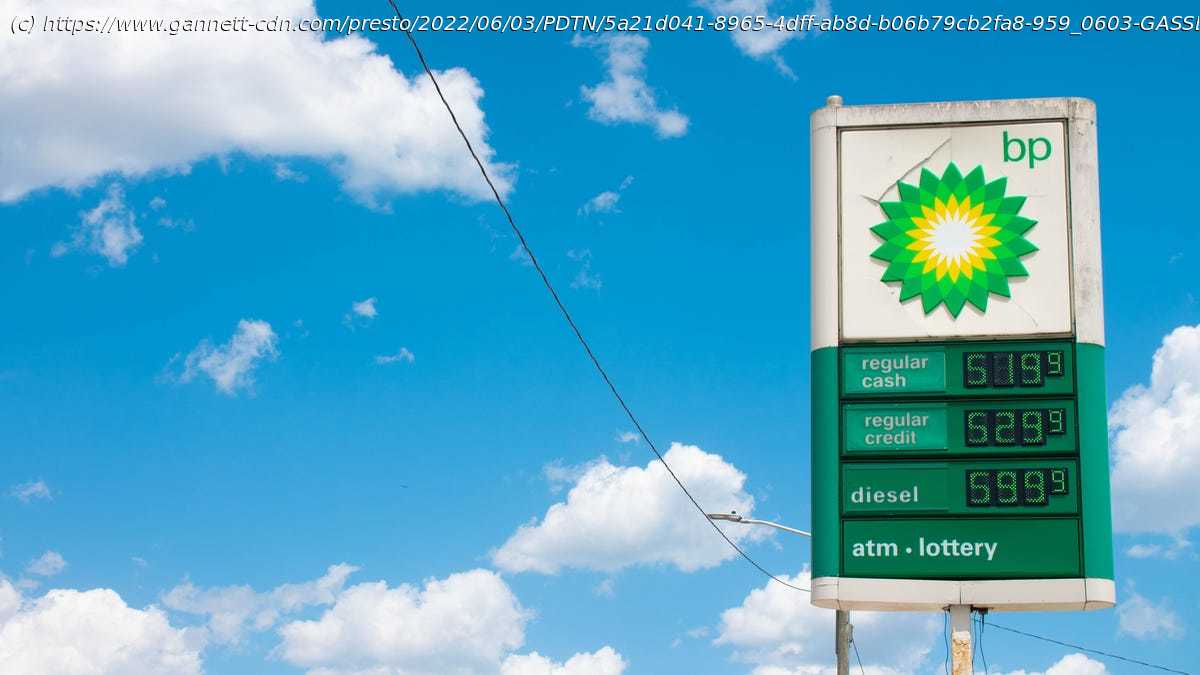
Experts say demand in Michigan remains high even as supply for gasoline has been tight for a variety of reasons. That means paying more at the pump.
Gas prices rose more in Michigan than any other state in the country in the past week, AAA reports, inflating Michigan’s pump prices to some of the highest in the country. Michigan gas prices rose 45 cents in the past week, according to AAA, making the price in the state the 10th highest in the country, just behind Washington, D.C. The average price for a gallon of gas reported Monday was $5.057, well above the national average of $4.865 and higher than almost any other Midwestern state other than Illinois. The lowest prices are in the South, AAA found, with gas being nearly a dollar cheaper in Georgia at $4.292 Monday. Prices remain highest on the West Coast, where California leads the country with an average price of $6.341. More: Gas prices today and where to find the cheapest gas across Metro Detroit
There are a lot of factors contributing to why gas prices across the country are so high, experts say — global crude prices are up, summer gasoline blends are typically more expensive than winter blends and more. But pinpointing why Michigan specifically is so high is a little more difficult.
« I’ll be upfront: It’s a confusing development », Daniil Manaenkov, economic forecaster at the University of Michigan, said Monday. Here’s why: The data that most people who study gas prices use comes from the U.S. Energy Information Administration, part of the Department of Energy. The EIA gathers information on oil production, inventory, imports, consumption and more, all of which (plus several other factors) affect the price you pay for gasoline at the pump.
« What I’m seeing right now is that maybe until last week, Michigan prices were roughly in line with national averages », Manaenkov said. « And over the last week, a situation developed where we have picked up maybe 20 cents extra on top of what one would have expected. »
He hadn’t heard of any refineries having production problems or other « dramatic » stories that might help disentangle why Michigan’s prices specifically are so much higher, he said. Manaenkov’s best guess? Demand for gasoline may be higher in Michigan than in other states, while the stock of oil is down. Michiganians may have driven more during Memorial Day weekend than people in other states, he said, because of weather or other factors. Patrick De Haan, petroleum analyst at the online gas monitoring site GasBuddy. com, offered up a similar reason. EIA data shows that gasoline inventories in the Great Lakes area are « at their lowest seasonal level on record going back to 1990 », De Haan said in a Monday email to The News, while demand has remained steady. GasBuddy’s estimates put the average Michigan price at $5.162 a gallon as of Monday, the eighth highest in the country by its measurement. A year prior, gas prices were closer to $3 a gallon, said Howard Hughey, spokesperson for AAA’s Michigan Auto Club Group. In the time since then, the price of crude oil has nearly doubled, he said, while people still want and need to drive around at a similar rate. Solutions floated such as trimming the state gas tax might bring prices down a little, he said, but the biggest factors are typically not the tax levels. Data gathered by the American Petroleum Institute show that the state-level gas tax in Michigan is lower than it is in many other nearby states, but even if that were removed, supply and demand would still likely keep prices high, Hughey said. He compared it to buying a loaf of bread. When a person buys bread, the tax on that bread makes a difference in the price, but it is not the bulk of what a person is paying, Hughey said.
« So, you know, when they talk about waiving the gas tax to give some relief, yeah, that would give some relief », he said. « But these prices are going to stay north of $4 probably for the foreseeable future, until the supply gets better and the demand goes down. »
Until people start changing their lifestyle choices, experts predict prices will stay higher.
“People are still fueling up, despite these high prices,” Andrew Gross, AAA spokesperson, said in a Monday news release from the company. “At some point, drivers may change their daily driving habits or lifestyle due to these high prices, but we are not there yet.”
hharding@detroitnews. com
Twitter: @Hayley__Harding