Choices have pretty big consequences in these games, where your meddling as the player only seems to make matters worse.
Not every game is a straightforward heroic adventure, and in a lot of cases, the player actually proves to be more of a detriment to the world than an actual benefit. They don’t always have to be a straight-up villain, but they can cause just as many problems by making poor choices, unintentionally harming characters, and affecting the world through collateral damage, even when they are actually on the side of good.
The best examples of these disaster scenarios are where players are either given a choice about how kind or evil they want to be, or when the decisions themselves lead to negative consequences, regardless of how well-intentioned they may be. These games treat goodness as a scarcity, forcing players into situations that require sacrifices and tradeoffs, or outright say that the path forward can never be one of greatness.
Pathologic 2
Details:
Sacrifices are a necessity
The entire town can die if decisions are poor
Pathologic 2 is built around the idea that saving one thing means sacrificing another. The story never allows clean victories, as every choice prioritizes one group, district, or ideology at the expense of others, often leading to permanent consequences that almost always come in the form of death.
NPCs remember neglect, and the narrative adapts to reflect the player’s failures rather than hiding them, which is made worse by the lack of information given on how to fix them. Even well-meaning decisions can quickly accelerate collapses elsewhere, making a lot of the playthrough feel like a hopeless struggle to manage and keep track of an endless list of things, which proves to be virtually impossible.
Disco Elysium
Details:
Words dictate the fate of many
Large canonical impacts from single dialogue options
Disco Elysium is a great example of a game that falls apart at the hands of the player through the decisions they make and the relationships they burn. Individual conversations can shape political movements as well as personal relationships, and poor judgment can permanently damage both at the same time, leading to entire paths being derailed along with the destruction of long-term alliances.
The game treats the player’s pitfalls as canonical outcomes rather than errors to correct, as everything from emotional breakdowns to addiction can reshape how the story unfolds and how others see them. Rather than stopping the narrative in its tracks, failure becomes its defining feature, forcing players to stumble forward and attempt to fix things, but basically always being unable to do so.
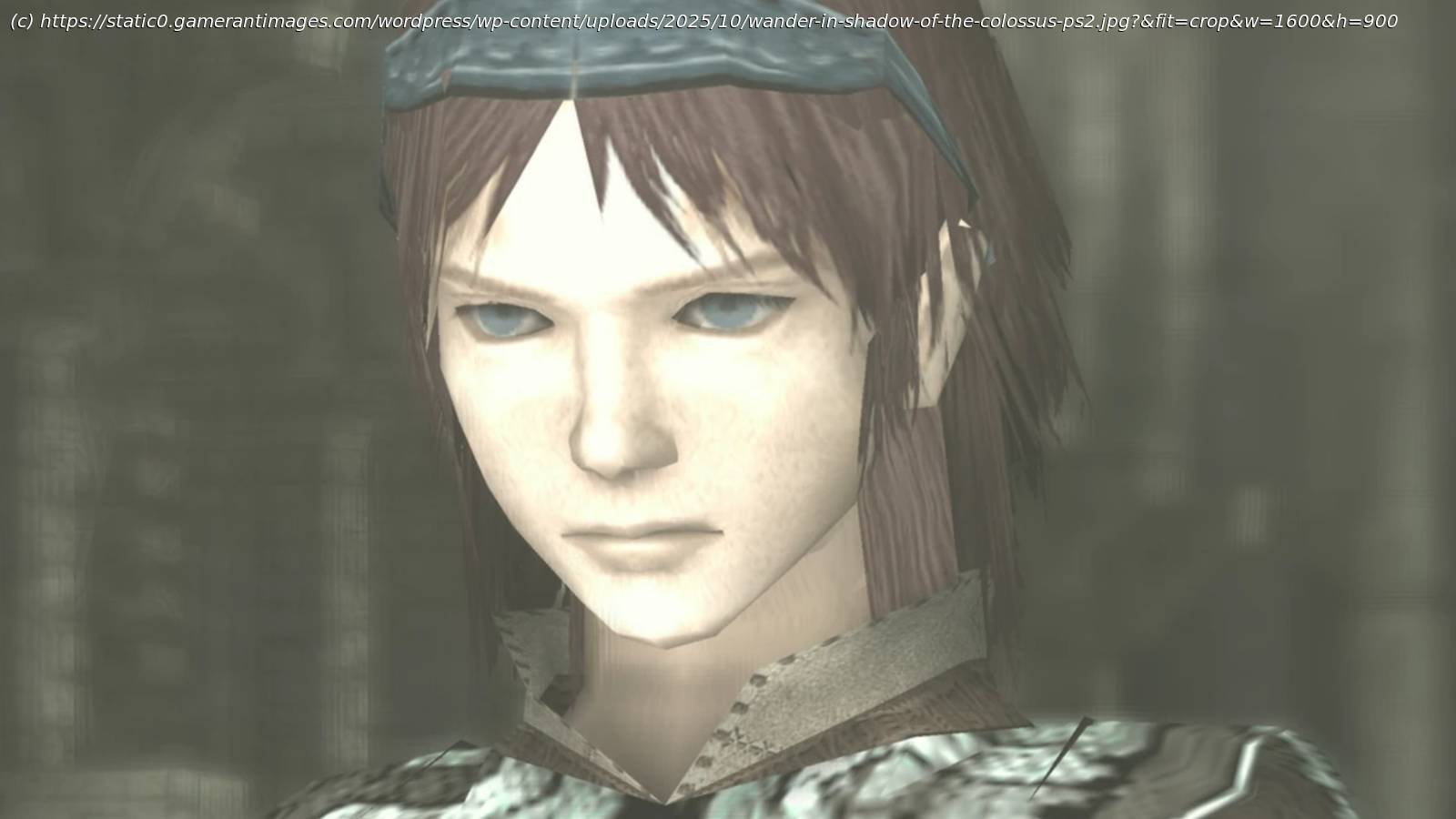
Shadow of the Colossus
Details:
Victories make the world quieter and bleaker
Irreversible damage
At first glance, Shadow of the Colossus presents a simple quest to the player of slaying giants in order to save someone they love.