Hackerangriff im Wahlkampf: Für Trump sind die Demokraten schuld

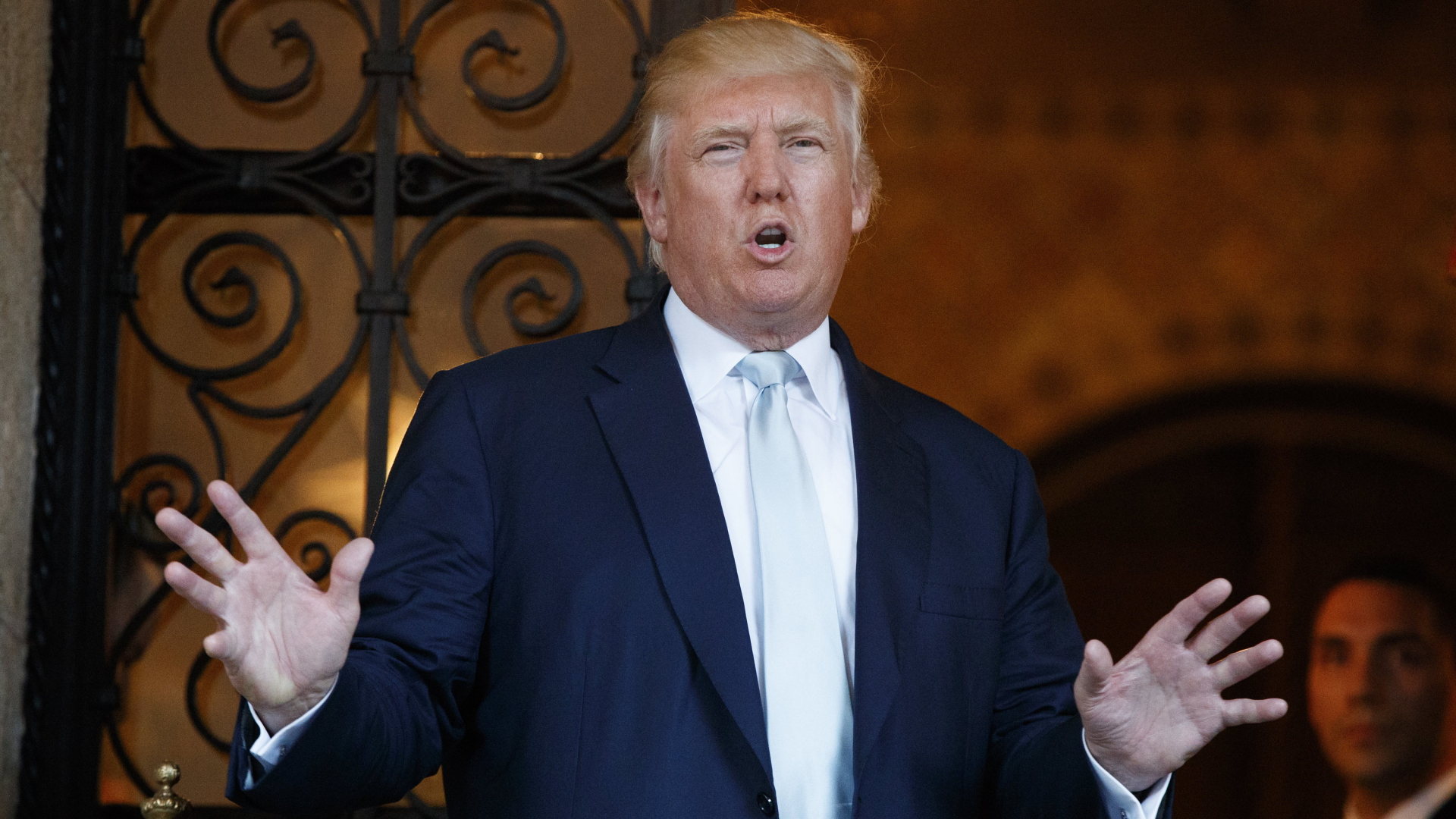 Auch nach der Veröffentlichung des US-Geheimdienstberichts zu den Hackerattacken im Wahlkampf verzichtet der designierte Präsident Trump auf Kritik an Russland. Nicht nur Vertreter der Demokraten sind darüber entsetzt.
Der künftige US-Präsident Donald Trump vermied erneut jede Kritik an Russland und seinem Präsidenten Wladimir Putin. In einer Serie von Tweets gab Trump den Demokraten die Schuld und warf der Demokratischen Parteizentrale « grobe Fahrlässigkeit » vor, dass die Hacker überhaupt erfolgreich waren.
Der einzige Grund, warum das Hacking überhaupt diskutiert werde, sei das für die Demokraten « total peinliche » Ausmaß ihrer Wahlniederlage. Wenige Stunden später bekräftigte Trump seine Absicht, eine gute Beziehung zu Russland aufzubauen. Nur « Idioten » hielten dies für eine schlechte Sache. « Wenn ich Präsident bin, wird uns Russland viel mehr respektieren als jetzt. Und beide Länder werden zusammen arbeiten, um einige der großen und dringenden Probleme der Welt zu lösen », so Trump.
Dagegen äußerte sich der noch amtierende Präsident Barack Obama im Sender ABC besorgt: Nicht nur, dass sich Russland in den politischen Prozess in den USA eingemischt habe, sondern auch, wie parteiisch die Hacking-Diskussion geführt werde: « Es gibt Republikaner, Experten und Kommentatoren, die offensichtlich mehr Vertrauen in Putin setzen als in ihre Mitbürger, nur weil die Demokraten sind. Das kann nicht sein. » Auf die Frage, ob er damit Trump meine, sagte Obama: Die Amerikaner seien in einem Team, Putin dagegen « nicht in unserem Team. «
Auch führende Demokraten äußerten sich entsetzt über die Vorwürfe der Geheimdienste. Die ranghöchste Demokratin im Repräsentantenhaus, Nancy Pelosi, sprach von einem « Angriff auf die amerikanische Demokratie » und « politischem Rowdytum zugunsten von Donald Trump ». Pelosi wie auch der Minderheitsführer der Demokraten im Senat, Chuck Schumer, forderten einen unabhängigen Untersuchungsausschuss.
Dagegen äußerten sich führende Republikaner im Kongress differenziert. Der Sprecher des Repräsentantenhauses Paul Ryan sagte, Russland habe zwar « klar versucht, sich in unser politisches System einzumischen ». Aber auf das Wahlergebnis am 8. November habe dies keinen Einfluss gehabt. Die Wahl habe Trump « offen und ehrlich » gewonnen.
Der frühere Direktor von CIA und NSA, Michael Hayden, äußerte sich im Sender CNN enttäuscht, dass Trump noch immer die Einflussnahme Russlands verschweige: « Das Thema des Briefings gestern war: Wir haben ein Russland-Problem. Und das Trump-Team hat das beiseite gewischt und gesagt: Wir müssen generell bei der Cyber-Sicherheit besser werden. «
Unmittelbar nach dem Treffen mit den Geheimdienst-Spitzen hatte Trump erklärt, Russland, China und andere Staaten würden andauernd versuchen, US-Einrichtungen zu hacken. Deshalb habe er sein Team beauftragt, ihm innerhalb von 90 Tagen einen Plan zur besseren Cyber-Abwehr vorzulegen.
In den US-Medien wird zum Teil bedauert, dass die verkürzte Version des Geheimdienstberichts nicht mehr Beweise für die gravierenden Vorwürfe liefert. Dies sei jedoch nachvollziehbar, um wichtige Quellen zu schützen. Auf einen für Europa wichtigen Aspekt wies Ron Brownstein vom Magazin « The Atlantic » hin. Putins Strategie, mit Hilfe bezahlter Trolle in den sozialen Medien die Bevölkerung in den westlichen Demokratien zu verunsichern, habe sich als erfolgreich erwiesen: « Es gibt in diesem Jahr wichtige Wahlen in Frankreich und Deutschland. Es ist schwer vorstellbar, dass Putin angesichts des Resultats in den USA diese Taktik nicht als Drehbuch nimmt, um es dort zu wiederholen. «
Auch wenn Russlands Einfluss allein nicht für den Wahlsieg Trumps verantwortlich war, über seiner Amtseinführung in zwei Wochen liegt nun zumindest ein dunkler Schatten.
© Source: http://www.tagesschau.de/ausland/us-wahl-russland-107.html
All rights are reserved and belongs to a source media.

 Moskau (dpa) – Snowboarderin Nadja Flemming hat im vierten Anlauf zum ersten Mal einen Weltcup in den Top Ten beendet. Beim Big Air in Moskau verpasste die 21-Jährige aus Röhrmoos zwar den Einzug ins Finale der besten Sechs, verbuchte auf Rang zehn dennoch das beste Resultat ihrer jungen Karriere.
 Einen Tag nach der Veröffentlichung eines US-Geheimdienstberichtes zu
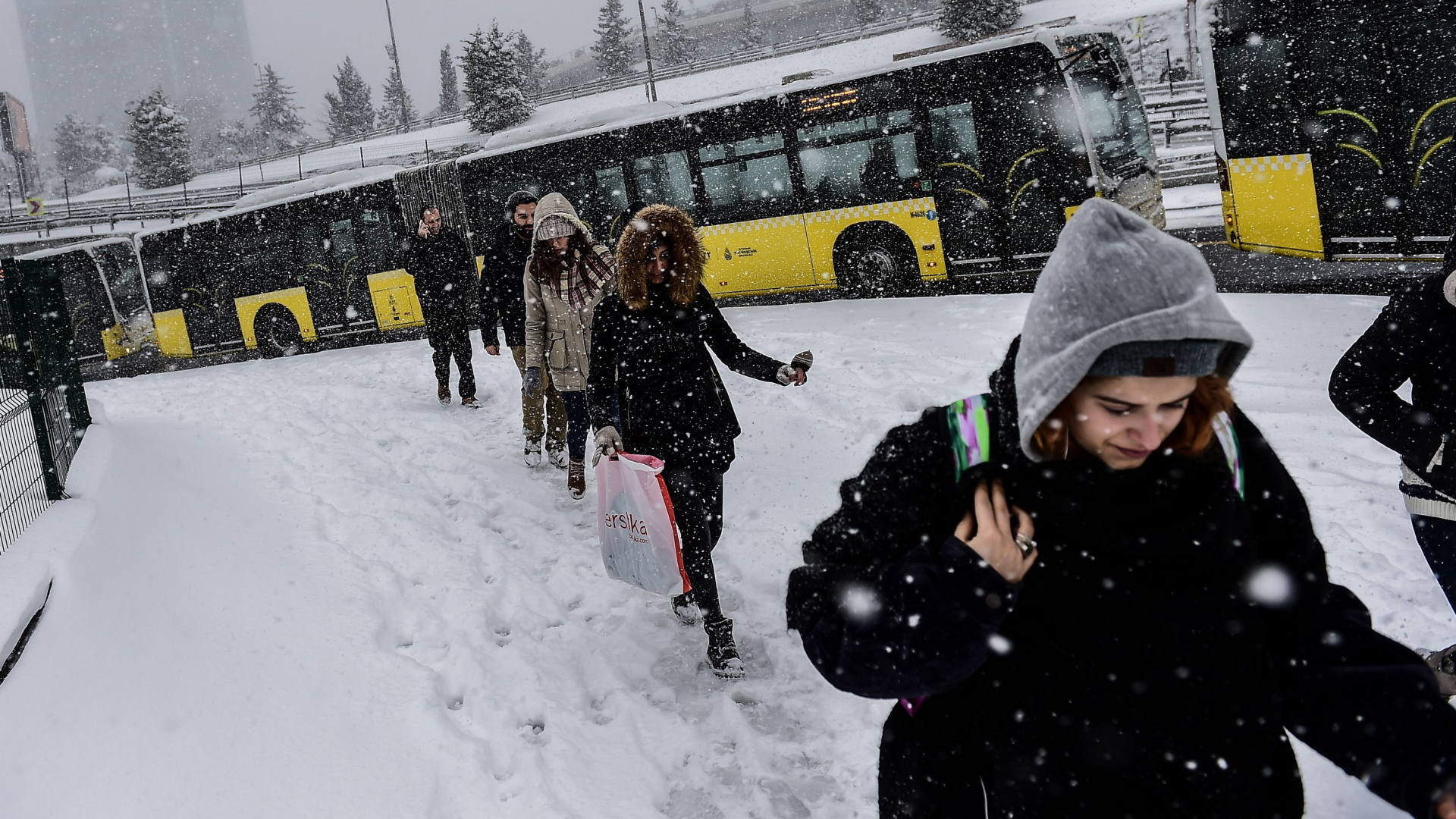 Wegen der anhaltenden Kältewelle sind in mehreren Ländern Europas Menschen erfroren. Allein in Italien und Polen starben in den vergangenen zwei Tagen 17 Menschen. In Teilen Deutschlands kämpfen die Menschen vor allem mit extremer Glätte.
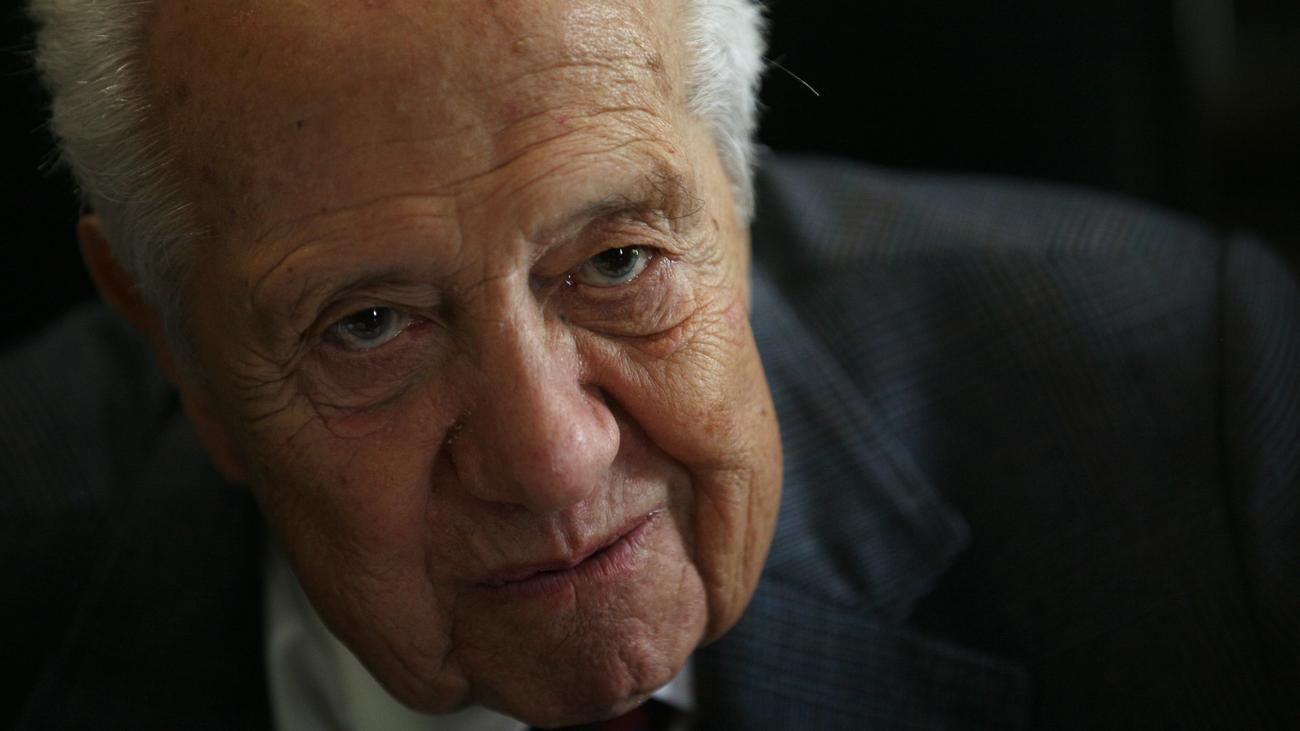 Nach schwerer Krankheit ist Portugals Ex-Präsident Mário Soares
 DALLAS —
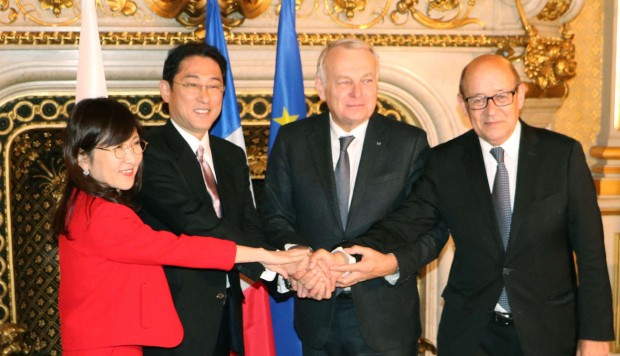 The defence and foreign ministers of Japan and France agreed at their “two-plus-two” meeting on Friday to start negotiations for a bilateral accord on sharing defence supplies and services. In a joint statement issued after the meeting in Paris, the ministers also expressed opposition to “unilateral action that would raise tensions” in the South China Sea, a reference apparently to China’s land reclamation and other activities in the contested waters symbolizing its growing assertiveness. The third meeting of the kind between the two countries involved Japanese Defence Minister Tomomi Inada and Foreign Minister Fumio Kishida and French Defence Minister Jean-Yves Le Drian and Foreign Minister Jean-Marc Ayrault. Under the envisioned acquisition and cross-servicing agreement, Japan’s Self-Defence Forces and the French military would provide each other with supplies, such as water and food, and services, including equipment transportation and repair work. Ayrault said at a press briefing that France and Japan have taken a new step in defence cooperation and will be able to further collaborate on humanitarian assistance and UN peacekeeping operations. Kishida told reporters that Japan and France will seek to finalize the acquisition and cross-serving agreement “at the earliest time possible”. Japan already has such agreements with the United States and Australia, and is negotiating similar accords with Britain and Canada, all part of Tokyo’s effort to expand defence cooperation with other countries. It is also considering a similar deal with New Zealand. In the joint statement, the ministers called on all parties that have stakes in the sea to respect their obligations under international law and refrain from reclaiming land, building outposts on it or using them for military purposes. On the basis of a bilateral defence equipment development accord that went into force last year, they also confirmed their governments’ intention of turning joint research into undersea drones that search for mines into concrete form. Regarding the humanitarian crisis in Syria, Kishida unveiled a Japanese plan to provide US$240 million to surrounding countries for refugee assistance. Japan and France last held a “two-plus-two” meeting between their defence and foreign ministers in March 2015. The next meeting is expected to be held in Tokyo in 2018.
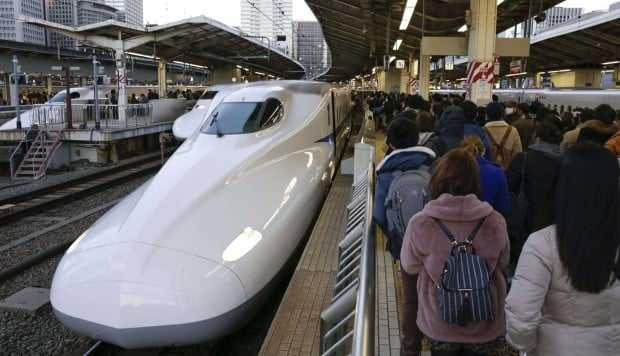 Famously efficient, punctual and clean, Tokyo’s subway and train systems transport 40 million passengers around the metropolis every day. But they have become victims of their own success and are now equally notorious for being overcrowded. Tokyo Governor Yuriko Koike has called in outside experts in an effort to devise solutions to the problem of jam-packed carriages in the city, a problem in particular for millions of commuters going to and from work during the peak rush hours. Addressing the Tokyo Metropolitan Assembly in September, Koike said: “Commuting in overcrowded trains could be slowing society’s momentum.” According to statistics collated by the transport ministry, average capacity at the busiest times of the day in Tokyo came to 164 per cent in 2015, a level that has been steady for around 15 years. That figure – which denotes the additional amount of passengers above the ideal benchmark set by the ministry per carriage – is a significant improvement on the 1970s, when it came to 221 per cent, but still makes commuting a daily test of endurance for millions of men and women. Simply adding more trains to the timetable is not considered a viable plan as trains on the busiest routes already run every couple of minutes at peak periods, while adding carriages to existing trains would require extensive modernisation work at many stations to make platforms longer. One solution that Koike has put forward would be to introduce double-decker trains, which are already in operation on many long-distance Shinkansen and in limited numbers as first-class carriages on lines that transit the capital. Train operators have warned, however, that instead of easing congestion, carriages with an upper and lower levels might instead cause additional delays because the only access doors are at each end of the carriage and it takes a lot longer for passengers to embark and disembark than for conventional carriages with four or six doors. For trains on the most congested lines – such as the Yamanote, which runs as a loop around central Tokyo, and the Chuo Line – that would simply be unworkable, the industry said. Koike is taking advice from Hitoshi Abe, the president of transport consultancy LightRail, who has an alternative plan for double-decker carriages. The plan, the newspaper reported, is to have two levels but no connecting stairs. Instead, each level would have doors that would open on a two-storey platform, providing quicker and more efficient access. Renovating stations to accommodate the new carriages would be expensive, Abe admitted, but would still be a lot cheaper than constructing new elevated tracks over existing lines to meet demand. An even simpler solution would be to encourage companies to permit employees to work from home at least a couple of days a week, or to allow them to work at times other than those around the traditional rush hours.
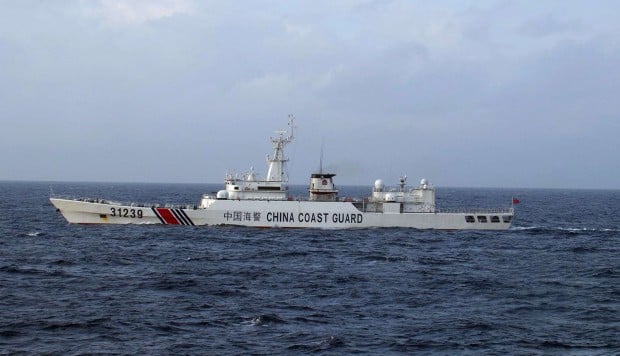 Japan says it is “watching very closely” the actions of the Chinese delegation to an international maritime organisation after it accepted Chinese names for undersea features that have previously been surveyed and named by Tokyo and are near its exclusive economic zone. An official for the Ministry of Foreign Affairs in Tokyo told that the applications do not, at present, “directly affect the interests of nearby maritime nations” but some officials have described Beijing’s moves as “aggressive” and accused China of “seeking to assume control over territory”. The Sub-Committee on Undersea Feature Names (SCUFN), which comes under the International Hydrographic Organisation and is based in Monaco, received 50 applications from the State Administration of China in 2016 to name undersea features, including sea mounts and ridges. The organisation released its annual report on December 21, in which it said 16 of the applications in the Pacific had been accepted while 34 were not. The newspaper reported that the sub-committee rejected most of the names because “naming them in Chinese may develop into disputes with coastal countries”. Among the applications that were turned down were eight close to the Southern Kyushu-Palau Ridge Region, which runs south from Okinotorishima, Japan’s most southerly island, towards Palau to the south. At least two of the sites that China sought to name lie in an area that Japan applied to exercise sovereignty over to the United Nations commission examining nations’ applications to claim continental shelf territory. In 2014, the panel delayed a decision on Tokyo’s application for the region, which covers 252,000 sq km to the east of the Philippines and borders Palau’s EEZ. Six of the features that China applied to name appear to fall within Palau’s waters. Earlier this year, the Foreign Ministry in Beijing said Japan’s claim to the region is “illegal” and China does not recognise the EEZ or continental shelf claims of the Okinotori. In 2012, SCUFN approved Chinese names for three undersea features some 450km from Miyakojima Island, in Okinawa Prefecture. Japan’s EEZ stretches 370km from Miyakojima. The ministry in Tokyo has emphasised that China has sought to name features that are in international waters and is therefore free to conduct such research. It is clear, however, that Japan is concerned at what is seen as a pattern of assumption of territories in the region and Beijing’s failure to cooperate – or even communicate – with Japan on surveys of the area. The features close to Japan’s EEZ have previously been surveyed and have Japanese names. “This sub-committee sits for the purpose of selecting names for features so they can be standardised for academic purposes,” the official said. “Naming does not directly affect the interests of other maritime nations, although we are watching the situation closely.” But Yoichi Shimada, a professor of international relations at Fukui Prefectural University, says Japan needs to make its concerns heard very clearly and that the foreign ministry is “too anxious about not provoking China to stand up for Japan”. “This sort of aggression by the Chinese is nothing new,” he said “They have made many claims against remote islands in the region and this is just the latest example … Japan needs to protest any such move because failing to do so is only going to cause more and bigger problems in the future.” China is aware of the competition for undersea resources and rights, but naming features is “a common practice of the world’s maritime powers”, the Xinhua news agency said. Over the past six years, China has successfully had 76 names approved, including the 16 in 2016. Among the 50 Chinese proposals this year, 21 features are in the controversial nine-dash line, with which Beijing claims most of the South China Sea. The line had been declared by an international arbitration tribunal in Hague as invalid in July, a month before China’s submission. According to the SCUFN regulations, naming a feature does not necessarily give the namer any rights to it, since any country can apply names to an unnamed feature in international waters. But the regulations also ask other countries to recognise a name applied by a sovereignty state within its territorial sea. “Naming the undersea features … reflects the potential rights China has to these features,” a maritime expert Yang Suihua was quoted by Xinhua as saying.
 As a freely accessible resource for the region, East Asia Forum relies on donations from those who believe in its importance. More information.