MIDDLE EAST AFFAIRS: That is a question many are now asking, alongside other questions that reflect a deeper sense of confusion: Wasn’t the issue Iran’s killing of protesters, not centrifuges?
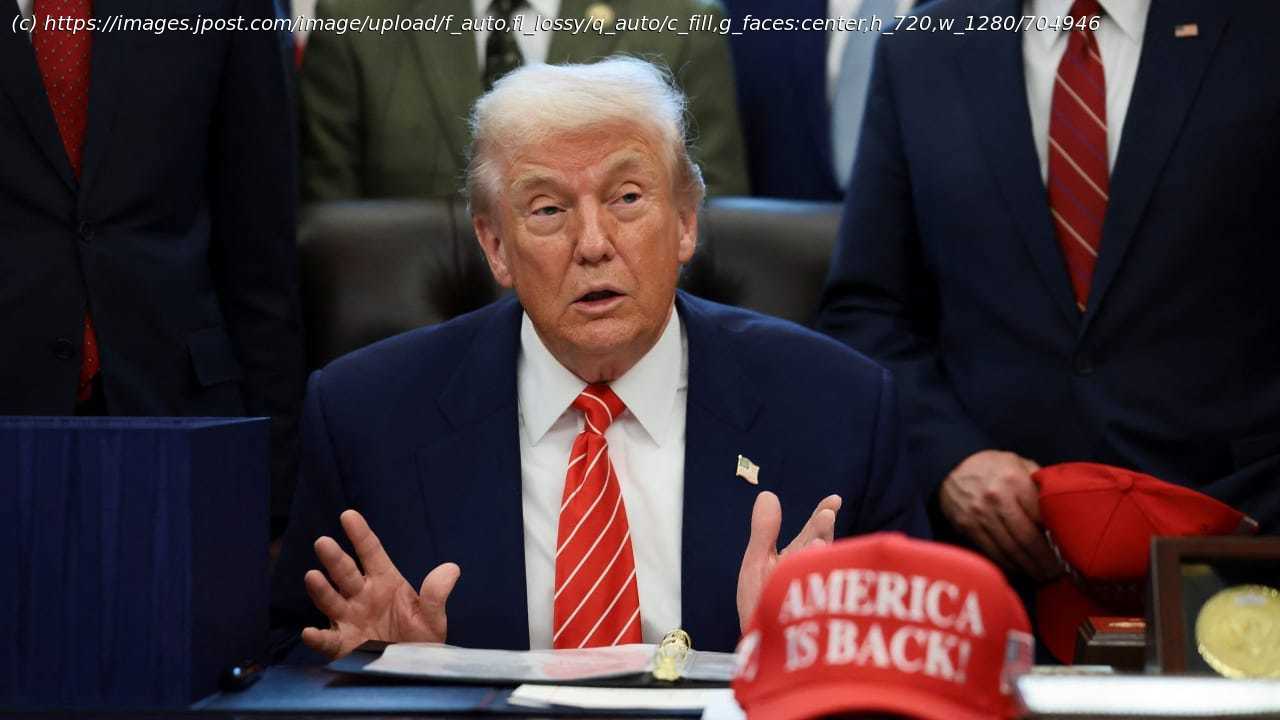
«Just remember, the Iranians never won a war, but never lost a negotiation!” — that is what US President Donald Trump said nearly six years ago, in a July 29, 2019, post on then-Twitter, as tensions with Tehran edged toward open conflict.
A year earlier, Trump had withdrawn the United States from the nuclear deal negotiated under then-president Barack Obama, and by mid-2019, Washington had reimposed sweeping sanctions. In the weeks before the tweet, Iran shot down a US drone and attacked oil tankers in the Gulf. The US surged forces to the region, and Trump approved – but then aborted – retaliatory strikes at the last minute.
Today, as US-Iranian tensions are again at a fever pitch and the two sides are poised to negotiate in Oman, Trump’s previous tweet hangs awkwardly in the air.
If the stated goal today is to change Iranian policy, and if Iran – by Trump’s own assessment – has “never lost a negotiation” but also “never won a war,” then wouldn’t military pressure, rather than negotiations, be the more logical path to follow to achieve that change?What are US-Iran talks really about?
That is a question many are now asking, alongside other questions that reflect a deeper sense of confusion: Wasn’t the issue Iran’s killing of protesters, not centrifuges? Since when is Iran’s nuclear program once again the central concern? And didn’t Trump himself say Iran’s nuclear capabilities were obliterated during the June 12-day war?
The return to negotiations – reviving the nuclear file while setting aside what has taken place on Iran’s streets – gives the impression that a moment of great regime vulnerability has been squandered. All of a sudden, the two sides are talking about centrifuges and enrichment levels, when many assumed the focus had shifted decisively to the awful nature of the regime and its violent suppression of its own people.
Making sense of this apparent reversal requires stepping back from the talks themselves and looking at what preceded them: the expectations raised by Trump’s warnings to the ayatollahs not to kill protesters and his assertion that “help is on its way;” the limits Washington ultimately placed on its own pressure campaign; and the reasons diplomacy with Iran so often contracts to the nuclear issue alone.
The story begins with the protest moment itself – a period in which Trump’s unusually blunt public warnings to Iran’s leaders, coupled with exhortations to the protesters to “keep protesting – take over your institutions,” were widely interpreted inside Iran as signaling that this time might be different.
For protesters risking their lives in the streets, those words fed the belief that the US was, at last, prepared to stand behind them – not only rhetorically, but in ways that might impose real costs on the regime for violently crushing dissent.
That impression proved wrong, painfully so. As they have at every moment of mass unrest since 1979, Iran’s rulers responded with overwhelming force, violently suppressing the protests and killing, according to various estimates, thousands – possibly tens of thousands – of people.