China state broadcaster rebrands in international push

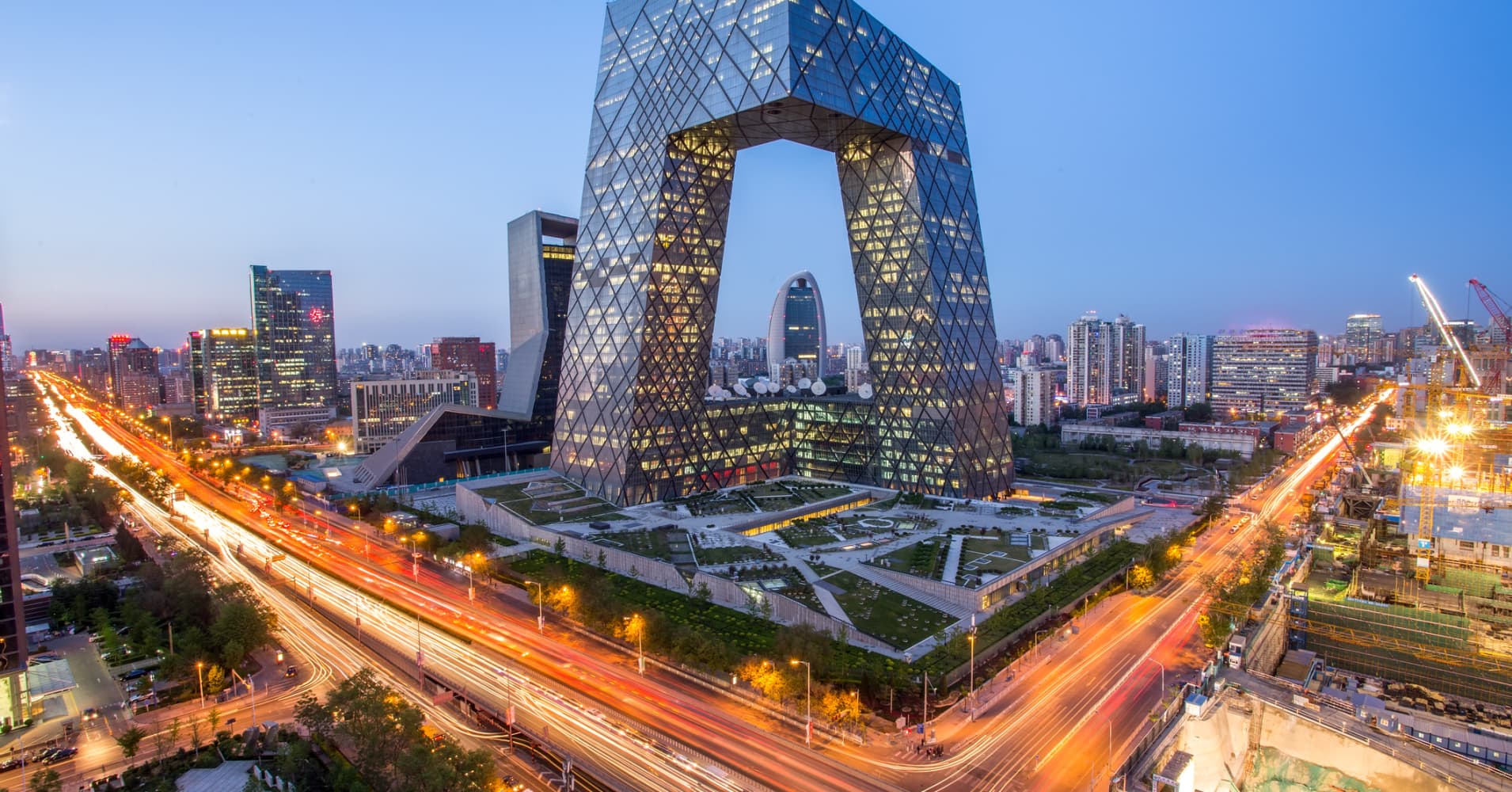 State broadcaster Central China Television has rebranded its international networks and digital presence under the name China Global Television Network as part of a push to consolidate its worldwide reach.
CCTV on Friday unveiled several new mobile apps under the CGTN brand, and visitors to CCTV’s non-Chinese language websites are directed to a new http://www.cgtn.com site. The broadcaster says it made the move to „integrate resources and to adapt to the trend of media convergence,“ with foreign language channels, video content and digital media falling under the new group.
The broadcaster published a congratulatory letter from President Xi Jinping on Saturday urging the newly launched CGTN to „tell China’s story well, spread China’s voice well, let the world know a three-dimensional, colorful China, and showcase China’s role as a builder of world peace. “
The government has long grumbled about the Western news media’s hold on international discourse and has spent vast sums in recent years to enhance its own influence and shape global opinion, with CCTV as one of its spearheads. The broadcaster has channels in English, Arabic, French, Spanish and Russian and production centers in Washington and Nairobi.
Chen Lidong, a CCTV official, said the rebranding would not affect CCTV’s domestic operations.
But the international-facing makeover will be extensive. CCTV’s international newscasts will now carry CGTN logos, while CGTN has unveiled two new smartphone apps: one that contains mostly news articles and one for live broadcasts. CCTV’s social media accounts on Facebook, Twitter, YouTube, Instagram and Tumblr — all of which are aimed at international audiences, because the platforms are all blocked inside China — have all been rebranded as CGTN overnight.
In the past year, Xi has tightened the ruling Communist Party’s control over state media outlets while re-articulating their core mission to serve as the government’s mouthpiece. Xi memorably sat in the evening news anchor’s chair himself during a high-profile tour of CCTV’s Beijing headquarters in February when he urged journalists to ramp up their coverage of positive news and pledge complete loyalty to the party.
CCTV and the official Xinhua News Agency have expanded aggressively in recent years with dual missions of becoming globally credible media heavyweights while sustaining their roles as vital propaganda organs of the Communist Party.
China announced a plan in 2009 to spend 45 billion yuan ($6.5 billion) to help spread its message abroad. In the years since, CCTV and Xinhua have leased a giant display in New York’s Times Square that has, among other things, broadcast videos arguing China’s position on the South China Sea territorial dispute.
They have also deployed vast numbers of journalists to produce extensive daily reports from around the world, including from countries in the Middle East, Latin America and Africa where Western media presences are shrinking amid vanishing budgets.
Their swift inroads have at times prompted alarm. Australian members of parliament complained in September after the Communist Party’s propaganda chief flew to Sydney to witness deals signed between Chinese and Australian media that would see major Australian newspapers carry content produced by Beijing.
© Source: http://www.cnbc.com/2016/12/31/china-state-broadcaster-rebrands-in-international-push.html
All rights are reserved and belongs to a source media.

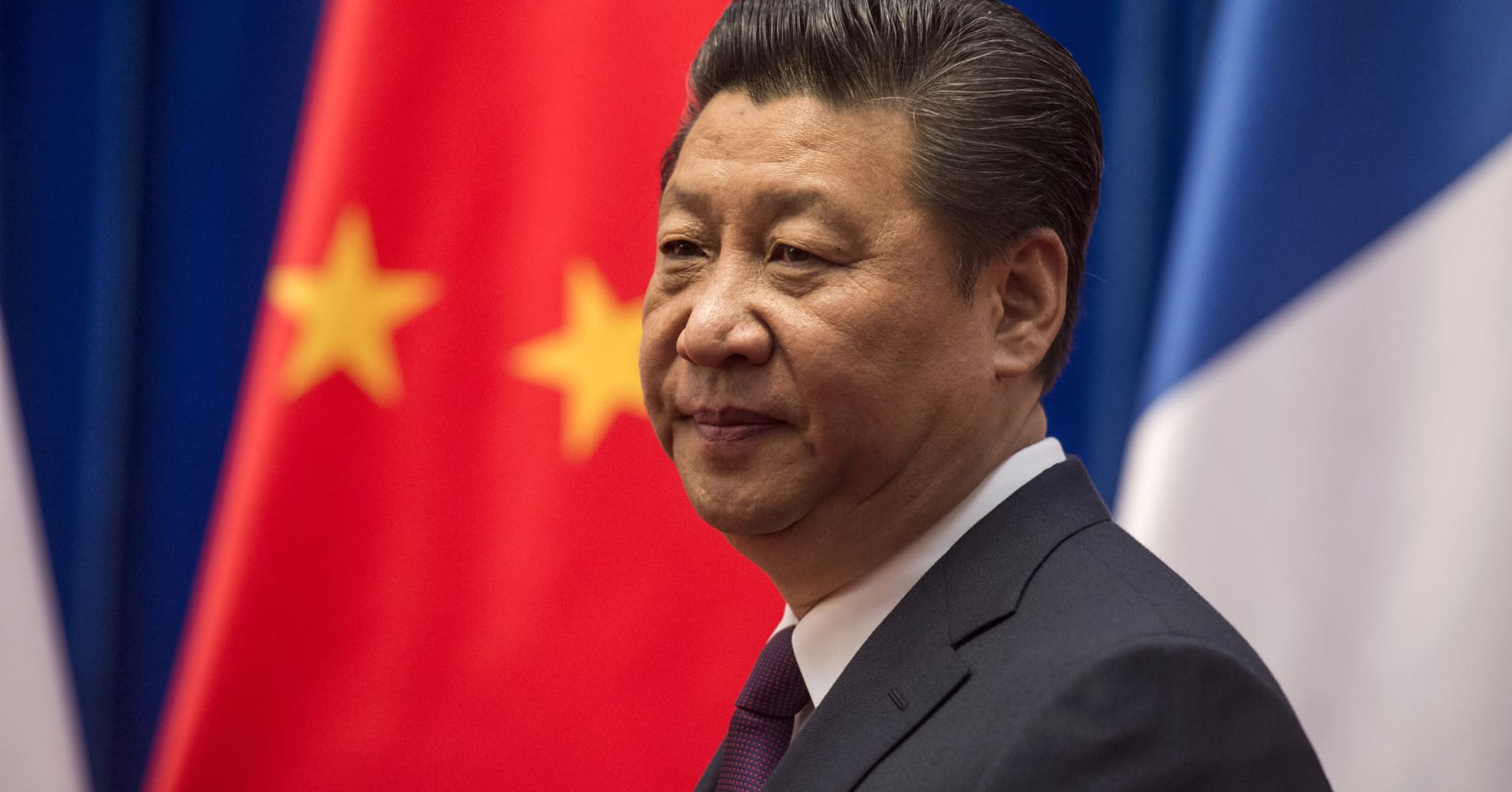 Chinese President Xi Jinping said Saturday that his government would continue to focus on poverty alleviation at home and resolutely defending China’s territorial rights on the foreign front.
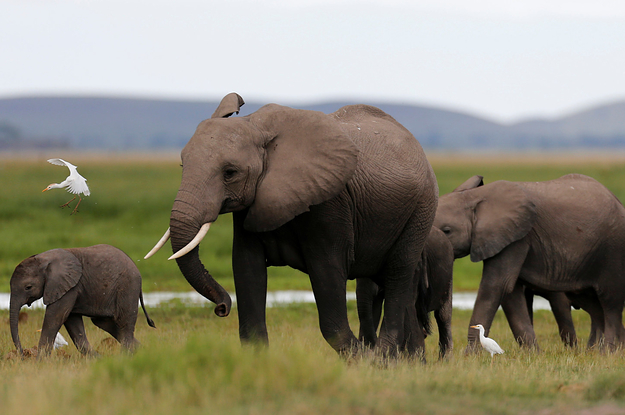 China will ban all domestic ivory trade within the country by the end of 2017, the country’s announced Friday, in a “game-changing” move that wildlife campaigners say may help protect the species against poachers. This move is significant for the world’s elephant population, as conservationists estimate that are killed by poachers each year, mostly to satisfy the demand for ivory products in Asia —. A published in September showed that the savannah elephant population has declined 30% in the past seven years, mostly due to poaching. The survey placed the number of wild elephants on the continent at just less than 400,000. The first phase of China’s ivory trade ban will be implemented by the end of March, when the government begins the process of shutting down the country’s 34 processing facilities and 143 designated ivory trading venues. In , an official with the State Forestry Administration said that “dozens” of these organizations will be closed by April 1, 2017. The Chinese Ministry of Culture will assist employees of the ivory trade in finding new occupations that utilize their carving skills, likely in antique restoration and maintenance. Per the directive, China will also step up its enforcement of illegal ivory sales and set up a system to regulate the transfers or sales of those ivory goods currently owned by citizens. All domestic processing and trading of ivory will be shut down by Dec. 31, 2017. Animal welfare and conservation groups worldwide are applauding China’s decision. president and CEO Carter Roberts called it “a game changer for elephant conservation”. In a press release, the Asia Director, Aili Kang wrote, “This is great news that will shut down the world’s largest market for elephant ivory. I am very proud of my country for showing this leadership that will help ensure that elephants have a fighting chance to beat extinction.” The Chinese government also plans to launch a public awareness campaign about the brutalities of the ivory trade to discourage consumers, a move through which conservation groups have seen success in China in the past. A four-year anti-ivory campaign by the International Fund for Animal Welfare — which depicted a young elephant excited about his new tusks walking with his mother — reached 75% of the urban Chinese population. showed that this specific PSA had reduced the number of Chinese people likely to purchase ivory from 54% of the population to 26%.